
38TH TOKYO INTERNATIONAL FILM FESTIVAL 2025

TIFF Expands Lineup and Enhances Focus on Women, Youth
Venue(s): Hibiya-Yurakucho-Marunouchi-Ginza areaOctober 27 (Mon) - November 5 (Wed), 2025
Language: Japanese (and other languages) with English (and Japanese) subtitles
Official website: 2025.tiff-jp.net/en/
Theater website: 2025.tiff-jp.net/en/schedule/list/
Theater website: 2025.tiff-jp.net/en/ticket/
Theater website: 2025.tiff-jp.net/en/access/
Tariff: Various; See the online ticket site.
Advance tickets: From Oct. 18. If sold out online, the box office has day-of sales
Talk event: Many in person — check TIFF’s website for all the details.
Title: 第38回東京国際映画祭 (Dai 38 Kai Tokyo Kokusai Eigasai)
The 38th edition of the Tokyo International Film Festival (TIFF) boasts not only a greatly expanded lineup this year — nearly 200 titles — but also an impressive number of premieres from celebrated auteurs like Rithy Panh, Zhang Lu, Amos Gitai, Pen-Ek Ratanaruang and Chong Keat Aun. Celebrating the 100th anniversary of Yukio Mishima’s birth, it will host the very first public showing in Japan of Paul Schrader’s 1985 masterpiece Mishima: A Life in Four Chapters. Japanese titles appear in every section, many of them unmissable. As always, screenings will be held across venues in the Yurakucho-Hibiya-Marunouchi-Ginza area for 10 days (October 27 - November 5) and TIFF’s complete lineup is subtitled in English, with only a handful of exceptions. So be ready with your Must Watch list — tickets go on sale Saturday, October 18 and will sell out fast.
TIFF Programming Director Shozo Ichiyama proves he has a magic wand with this year’s lineup, and celebrities like Juliette Binoche (coming with her directorial debut, In-I in Motion) are expected from far and wide. The director of the year’s biggest domestic live-action hit, Kokuho, Lee Sang-il, will be receiving the Kurosawa Akira Award along with Oscar winner Chloé Zhao, who will screen her new Oscar contender, Hamnet. There will be ample Q&A sessions with many filmmakers and stars (with English interpretation usually available — be sure to raise your hand if they ask, “Does anyone need English?”), along with the popular TIFF Lounge talk sessions, a range of masterclasses, panels, symposia and other special gatherings with invited guests.
Here's a brief overview of the Japanese films in the festival — but we urge you to explore the full lineup, since there are many, many non-Japanese films not to be missed.
Screening Info
Opening film
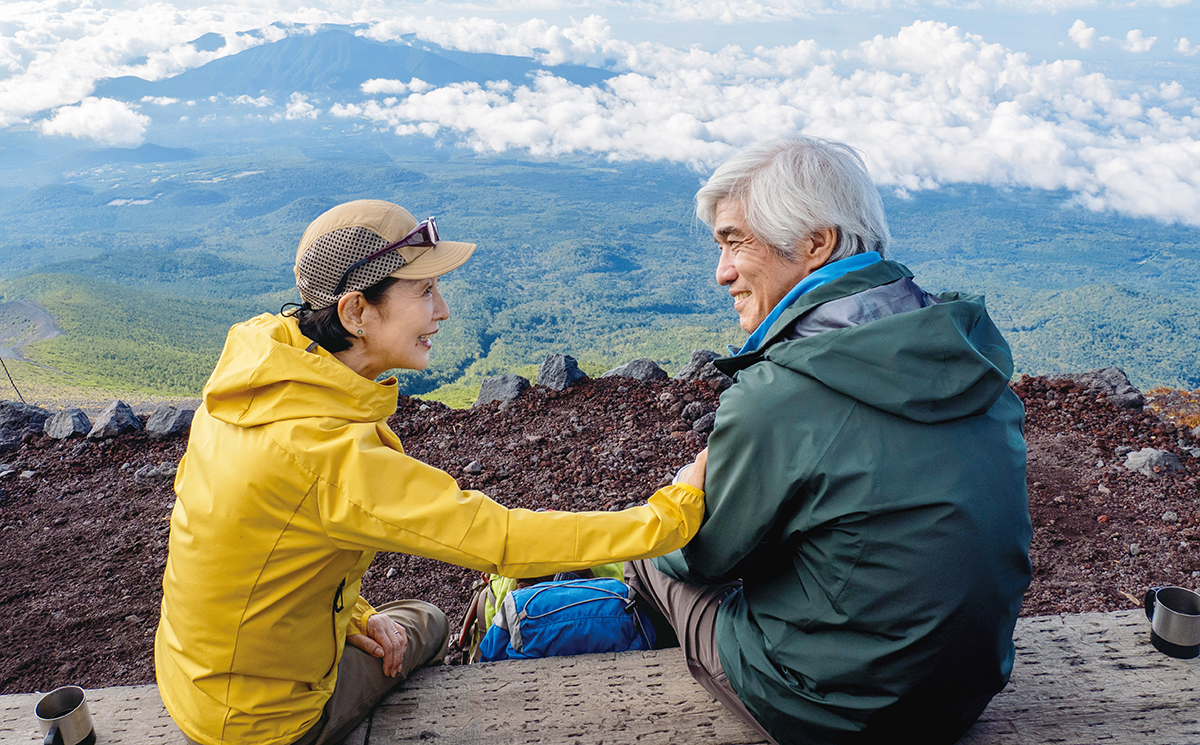
Climbing For Life, てっぺんの向こうにあなたがいる
 Director: Sakamoto Junji (阪本順治)
130 min, Color, 2025, Japan
©2025 “CLIMBING FOR LIFE” FILM PARTNERS
This year’s Opening Film is the Japan premiere of Junji Sakamoto’s Climbing for Life, based on the true-life story of groundbreaking mountaineer Junko Tabei, the first woman ever to summit Mt. Everest. As a young woman, Junko (played by Non), founds a Ladies Climbing Club with the slogan of "Let's go on an overseas expedition by ourselves," and in 1975, succeeds in leading the first all-female ascent of the world’s highest mountain. Tabei successfully summitted the highest peaks in 76 countries during her lifetime, and then, as illness beset her, continued to lead others to discover the joys of mountaineering. Acting legend Sayuri Yoshinaga is perfectly cast as the steely but inspiring Junko (in her later years), and as the film reveals, Junko’s husband (played in later years by Koichi Sato) played no small role in her many accomplishments. Sakamoto skirts sentimentality and delivers a truly stirring tribute to a pioneering woman.
Centerpiece Film
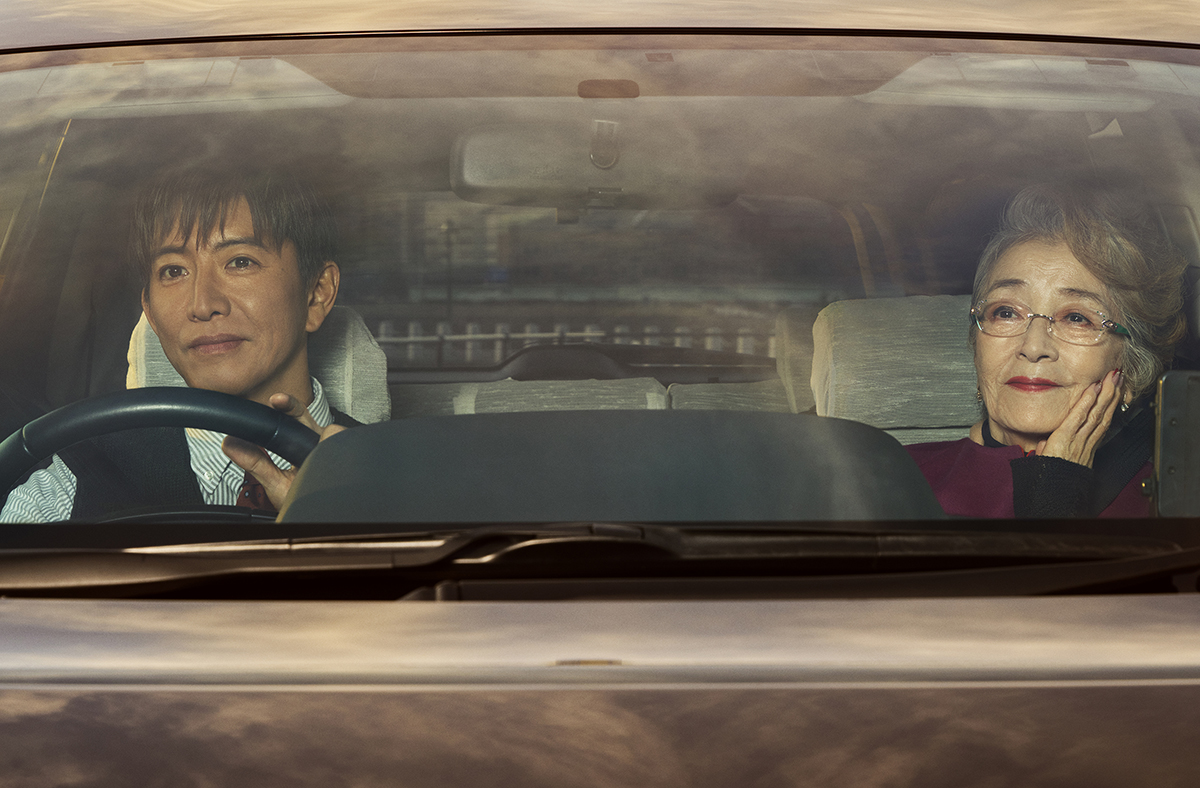
Tokyo Taxi, Tokyoタクシー
 Director: Yamada Yoji (山田洋次)
103 min, Color, 2025, Japan
©2025 "TOKYO TAXI" Film Partners
The Centerpiece film also features a spunky older woman, played by another of Japan’s legendary actors, Chieko Baisho (Plan 75, Tora-san series). Baisho has worked with iconic director Yoji Yamada since her film debut in 1965 (Kiri no Hata), and here, in Yamada’s 91st feature, Tokyo Taxi, she demonstrates masterfully just how much can be conveyed from the closed confines of a moving vehicle. Playing the elegant, upper-class Madame Sumire, who has hired Takuya Kimura to drive her from eastern Tokyo to a retirement home in Yokohama, she is charming but indomitable, feisty but forlorn, and her chemistry with Kimutaku is as magical as the ending of the story. The film is adapted from the 2022 French film Driving Madeleine, but Yamada makes it his own, showcasing beloved Tokyo scenes through the windows, from Shibamata (Tora-san’s hometown) to Jingu Gaien Ginkgo Avenue to the Bay Bridge.何
Competition
TIFF’s 15-film Competition section, selected from among 1,970 submissions from 108 countries and regions, includes very prominent names. There are two Japanese films in the section this year, both world premieres: Yuichiro Sakashita’s Blonde and Ryutaro Nakagawa’s Echoes of Motherhood, marking the first time either man has been in such a prominent section at TIFF. The Competition Jury is comprised of Italian film critic Carlo Chatrian, Taiwanese actor Gwei Lun-Mei, French film editor Mathieu Lacroix, Japanese actor/filmmaker Saitoh Takumi, and Chinese filmmaker/producer Vivian Qu.
Blonde, 金髪
 Director: Sakashita Yuichiro (坂下雄一郎)
103 min, Color, 2025, Japan
©BLONDE Film Partners 2025
Blonde concerns the very Asian issue of rigid controls on schoolchildren’s appearance — in this case, the rule that hair color cannot be altered from its original black. In this biting social satire, a hilariously self-important middle-school teacher (Takanori Iwata) is schooled by his students and finally realizes some of the errors of his ways. His students have begun striking against the rule, and he struggles to mediate between his superiors and the newly-blonde strikers. Sakashita throws every idea in the jokebook at the inflexibility of Japanese schooling, and the characters represent the lengths to which the “education” system will go to maintain extreme conformity. Unlike many Japanese films, this one moves at lightning speed. There’s constant, rapid-fire narration by the teacher (usually ridiculous, often sidesplitting) that takes some adjusting to, and it may limit audience enjoyment as viewers attempt to read the cascade of subtitles. But this one’s worth the work it takes to keep up. If you saw the director’s Kanagawa University of Fine Arts, Office of Film Research some years ago, you may agree that he’s finally hit his full stride.
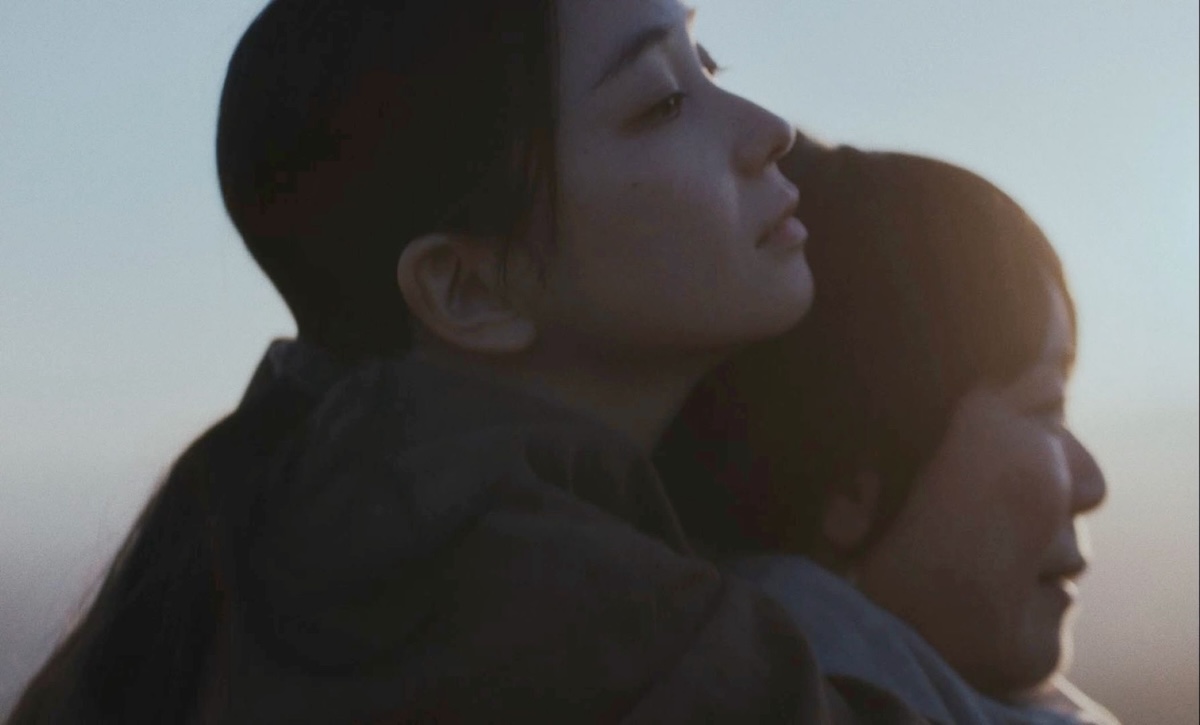
Echoes of Motherhood, 恒星の向こう側
 Director: Nakagawa Ryutaro (中川龍太郎)
91 min, Color, 2025, Japan
©2025 “Echoes of Motherhood ” Production Committee
The prolific Nakagawa screened a short film at TIFF before his August in Tokyo (2014) played in the Japanese Cinema Splash section. His new Echoes of Motherhood is the final chapter of a trilogy depicting the forms of love that endure through loss and rebirth. The story of a young woman who reunites with her estranged mother (acclaimed auteur Naomi Kawase, in a powerful performance) when she finds herself pregnant, it bears all the director’s hallmarks: pointed dialogue, heightened acting and intense emotional currents. But Kawase’s presence brings a new level of authenticity to his storytelling style. At the TIFF lineup press conference, Nakagawa spoke about casting the Cannes Grand Prix-winning director, although she hadn’t acted in a fiction film before. “We have a different image of her,” he admitted. “She’s a challenging person, but she gave power to the film. She’s able to show her emotions and expressions, to really depict the complexity of human beings. As a director herself, she really supported me to make this film.”
Asian Future
In TIFF’s 11-film Asian Future section, where works are also eligible for awards, there are three Japanese films, all of them world premieres:
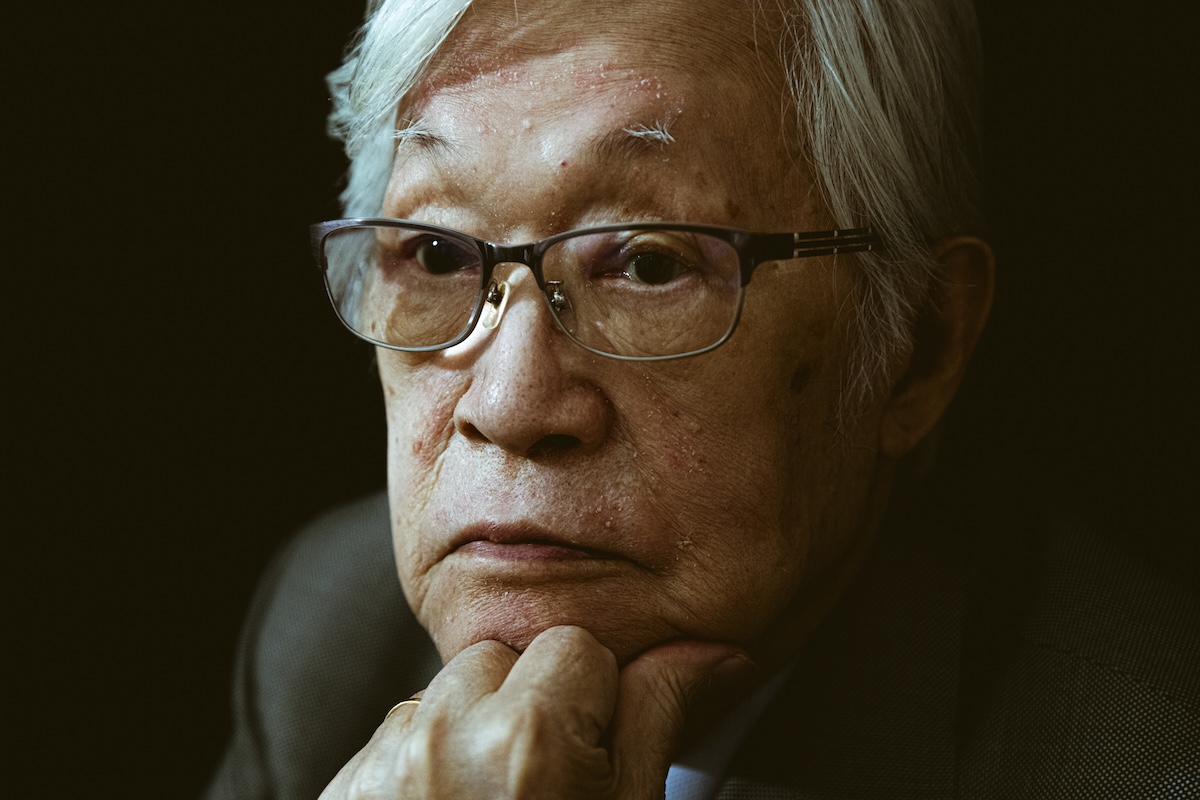
Journey Into Sato Tadao, 佐藤忠男、映画の旅
 Director: Terasaki Mizuho (寺崎みずほ)
98 min, Color, 2025, Japan
©2025 Group Gendai Films Co., Ltd.
The section’s opening film is a special documentary, Journey into Sato Tadao, directed by Mizuho Terasaki, which traces the 60 years the renowned film critic spent searching for and watching Asian films. With over 150 published works to his name, the man who opened Japanese doors and minds to Asian cinema, is remembered by a range of celebrated filmmakers from the region just a year after his death. At the center of the documentary is Kummatty (lit. The Bogeyman), a 1979 Malayalam Indian film written and directed by G. Aravindan, which Sato considered his “treasure.” Terasaki herself takes viewers on a journey in search of that treasure. (Martin Scorsese’s Film Foundation restored the children’s classic in 2021.)
Kiiroiko, 黄色い子
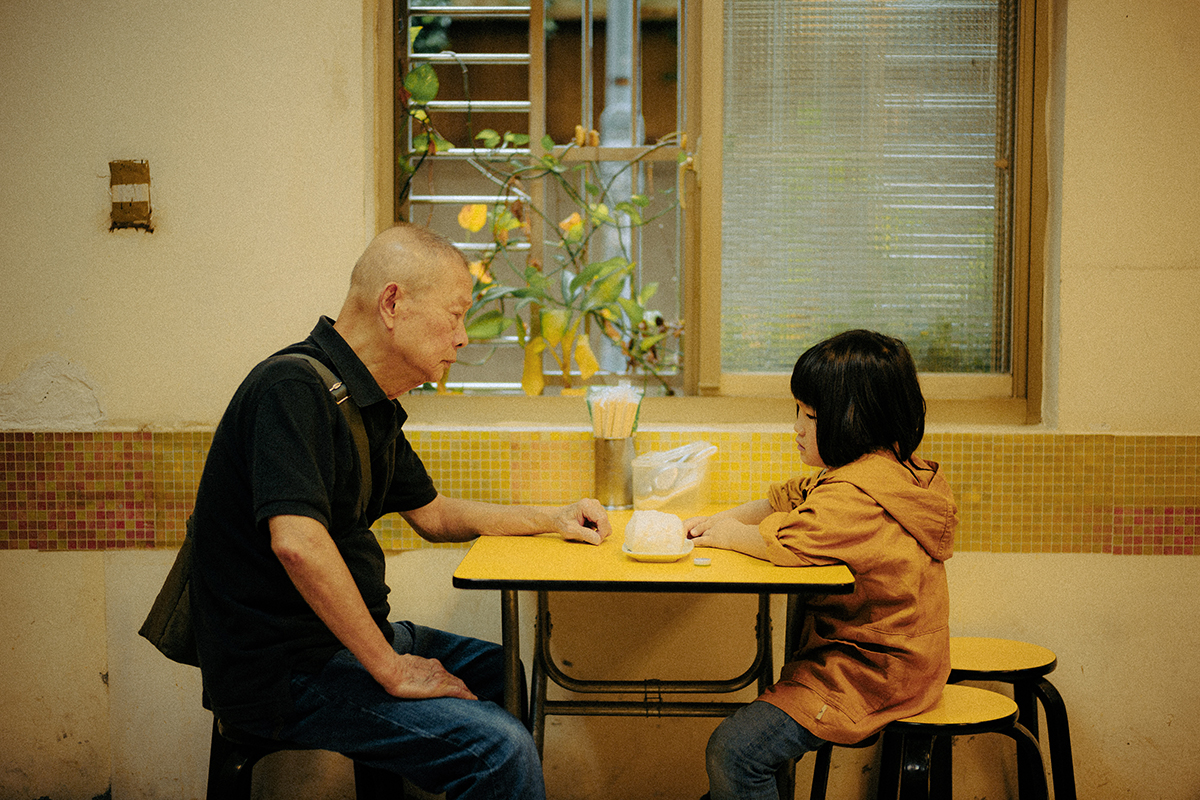 Director: Imai Mika (今井ミカ)
72 min, Color, 2025, Japan
©SANDO PLUS
Kiiroiko is thought to be the first film made by a deaf cast and crew from Japan and Taiwan. Directed by Mika Imai, it tells the story of a deaf older man in Taipei who finds and begins to bond with a lost Japanese child, who is also deaf.
The Chatterboxes, みんなおしゃべり
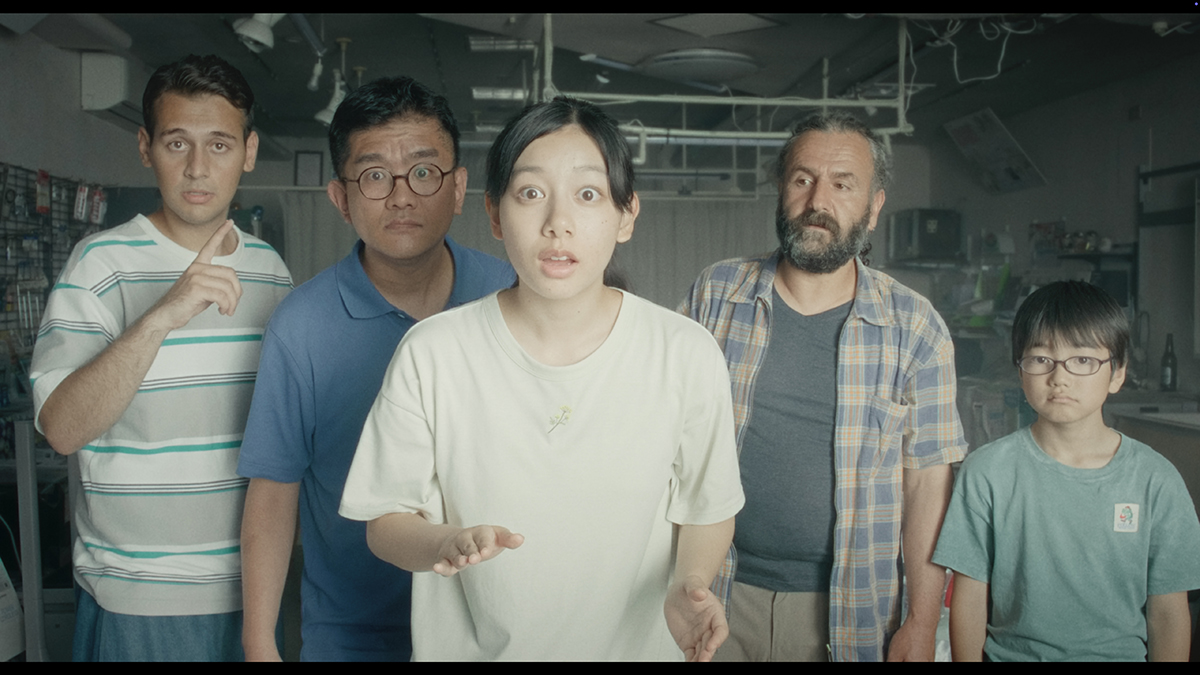 Director: Kawai Ken (河合健)
143 min, Color,2025, Japan
©2025 “The Chatterboxes” Production Committee
The Chatterboxes also features deaf characters and cast members, and is groundbreaking in its bold approach to demonstrating how language barriers help the world's divisions deepen. Deploying an extremely humorous style to the story of an escalating contretemps that pits Outsiders vs. Outsiders, director Ken Kawai (who is himself a CODA) sets the film in an old Tokyo neighborhood that is trying to stay alive by welcoming international residents like the many Kurds who have moved in. In a white goods store run by a deaf man named Koga, a minor understanding caused by a customer gradually escalates into a neighborhood incident that threatens to turn really ugly. Natsumi, the only hearing member of the Koga family, attempts to mediate with Hiwa, the only one of the Kurds who speaks Japanese. As they begin to develop feelings for each other, a drawing by Shun, Natsumi’s little brother becomes a new flashpoint and soon, the entire town is at war.
The film cleverly captures the real-life challenges faced both by the deaf and by second-generation Kurds in Japan, and tips its hat at Tokyo’s culturally and linguistically diverse audience. As Kawai writes, “Subtitles are an integral part of this film's expression. Rather than pursuing so-called ‘barrier-free’ subtitles, we created original subtitles that actively utilize the ‘barrier.’ There are things only audiences with their respective first languages can see or feel, and it is precisely this ‘discrepancy’ and ‘omission’ that forms the core of this film.”
Nippon Cinema Now
The 12-film Nippon Cinema Now section, presenting recent Japanese films that have been deemed worthy of international recognition, includes two standouts that couldn’t be more different: the Locarno Film Festival triple-award-winning Lost Land from TIFF regular Akio Fujimoto is the first-ever Rohingya-language film, concerning two small siblings who leave a Rohingya refugee camp in Bangladesh in the hopes of reuniting with their relatives in Malaysia, enduring enormous challenges on their long journey; while Takashi Koyama’s All Greens is a rambunctious, rap-driven commercial feature that’s almost too clever for its own good, about a group of high school girls growing marijuana on their school rooftop (and selling it via SNS!) under the guise of running a School Greening initiative.
LOST LAND, ロストランド
 Director: Fujimoto Akio (藤元明緒)
99 min, Color, 2025, Japan/France/Malaysia/Germany
©2025 E.x.N K.K.
ALL GREENS, 万事快調〈オール・グリーンズ〉
 Director: Koyama Takashi (児山隆)
119 min, Color, 2026, Japan
©2026 ”All Greens” Film Partners
There are also films of note from two graduates of the Tokyo University of the Arts, Yukari Sakamoto’s enigmatic Christian girls’ boarding-school drama White Flowers and Fruits, which premiered at the San Sebastian Film Festival and was produced by Teruhisa Yamamoto of Drive My Car fame; and Yang Liping’s Echoes of the Orient, which features Japanese and Chinese characters, as did his Amazon Prime Video Take One Award-winner Gone with the Wind (2023) and his Ashes (2024), both of which premiered at TIFF.
Gala Selection
Among the Japanese films in the 13-film Gala Selection—which is a catch-all for films scheduled for upcoming release in Japanese theaters—is the deeply affecting period tale Blue Boy Trial from Kasho Iizuka (Angry Son). Torn from 1960s tabloid headlines, it traces how a loophole in Japan’s new anti-prostitution laws exempted male sex workers—known as “blue boys.” Unable to arrest the blue boys themselves, authorities instead targeted the surgeon who had performed gender-affirming surgeries for some of them, leading to a sensational trial that inspires the film. It features exceptionally gifted transgender actors and stunning production design, all in the service of important points that echo today’s gender debates.
Blue Boy Trial, ブルーボーイ事件
 Director: Iizuka Kashou (飯塚花笑)
106 min, Color, 2025, Japan
©2025 Amuse Creative Studio Inc. Kddi Corporation Nikkatsu Corporation
Bring Him Down to a Portable Size, 兄を持ち運べるサイズに
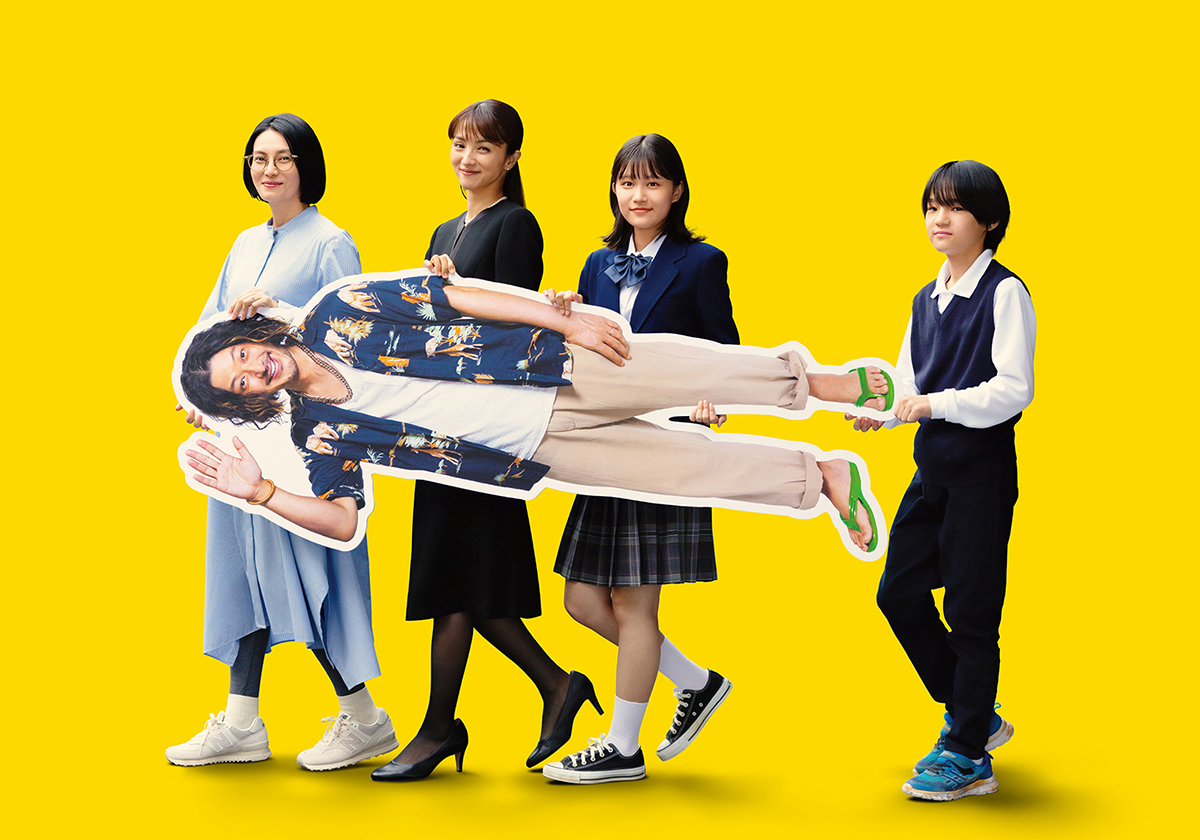 Director: Nakano Ryota (中野量太)
127 min, Color, 2025, Japan
©2025 Bring Him Down to a Portable Size Film Partners
Ryota Nakano (Her Loves Boils Bathwater, The Asadas) returns with another family-oriented dramedy, Bring Him Down to a Portable Size, with Ko Shibasaki as a woman who must close out her good-for-nothing brother’s (Joe Odagiri) affairs after his untimely death—leading her to discover that he may not have been as much of a loser as she’d thought.
Love on Trial, 恋愛裁判
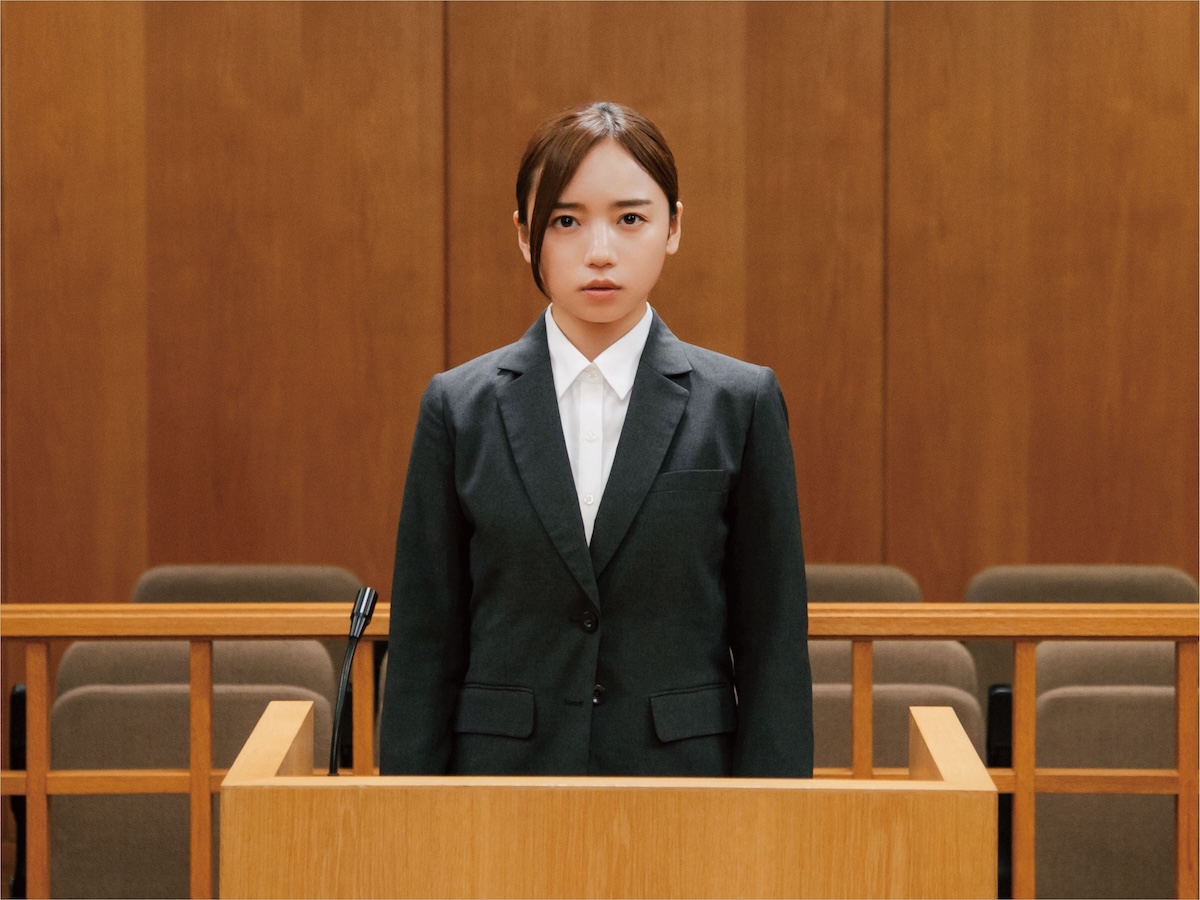 Director: Fukada Koji (深田晃司)
124 min, Color, 2025, Japan
© 2025 "LOVE ON TRIAL" Film Partners
TIFF regular and 2022 Kurosawa Akira Award winner Koji Fukada (Harmonium, A Girl Missing) returns with Love on Trial, an exploration of the dark side of J-pop inspired by several true stories. In this one, a rising idol named Mai (former idol Kyoko Saito) finds her career in jeopardy when she falls in love with Kei (Yuki Kura of Shogun), violating the “no dating” clause in her contract. Her management company has every right to sue her for millions in lost income—after all, her mostly middle-aged fans need her to stay chaste in order to project their fantasies onto her—and so Mai winds up in court.
Rental Family, レンタル・ファミリー
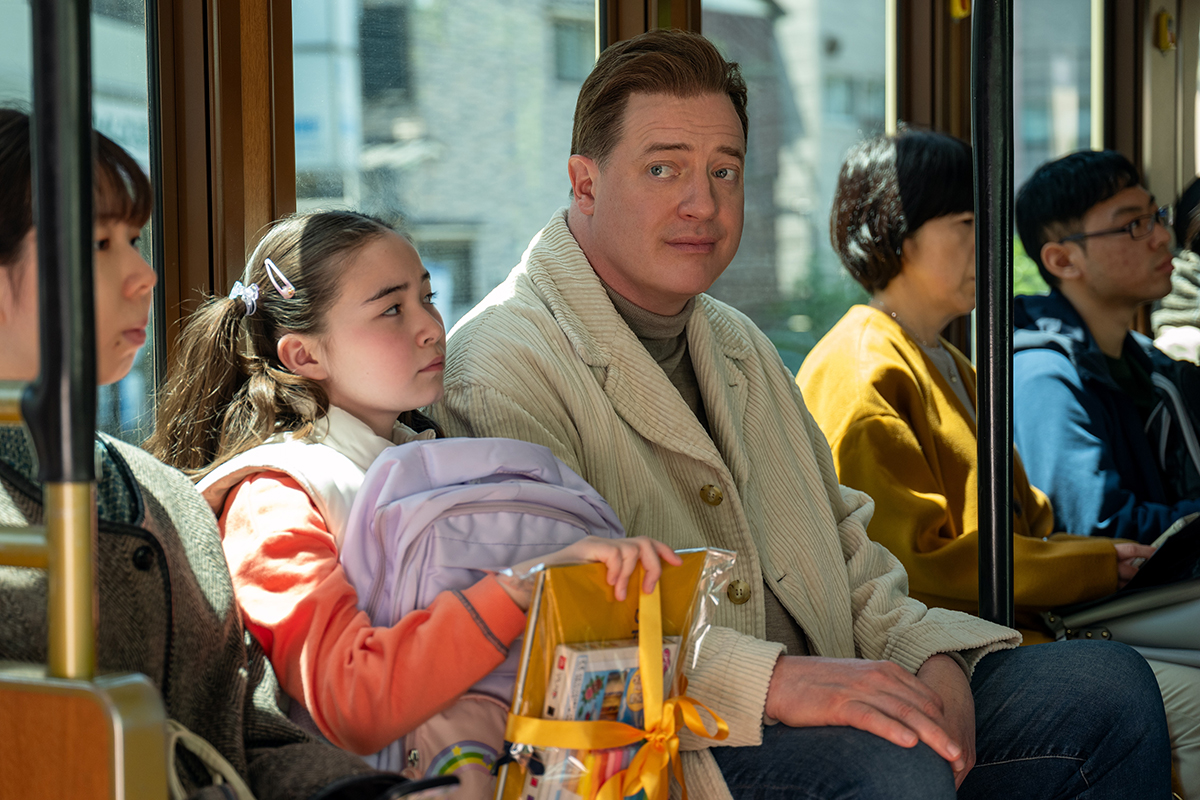
Director: Hikari
110 min, Color, 2025, U.S.A./Japan
©2025 Searchlight Pictures. All Rights Reserved.
The Gala Selection is also providing a first look in Japan at single-named director Hikari’s Rental Family, starring Oscar winner Brendan Fraser as an American actor whose Japan career is stalled until he accepts a gig to play “sad American” at a man’s staged funeral. He goes on to meaningful roles as a son, a father and others, and gradually realizes that despite his loneliness, he can matter.
Animation Section
The 38th TIFF will highlight the latest animated titles of notes in its 12-film Animation Section, demonstrating the versatility of the artform, both in its artwork and its stories.
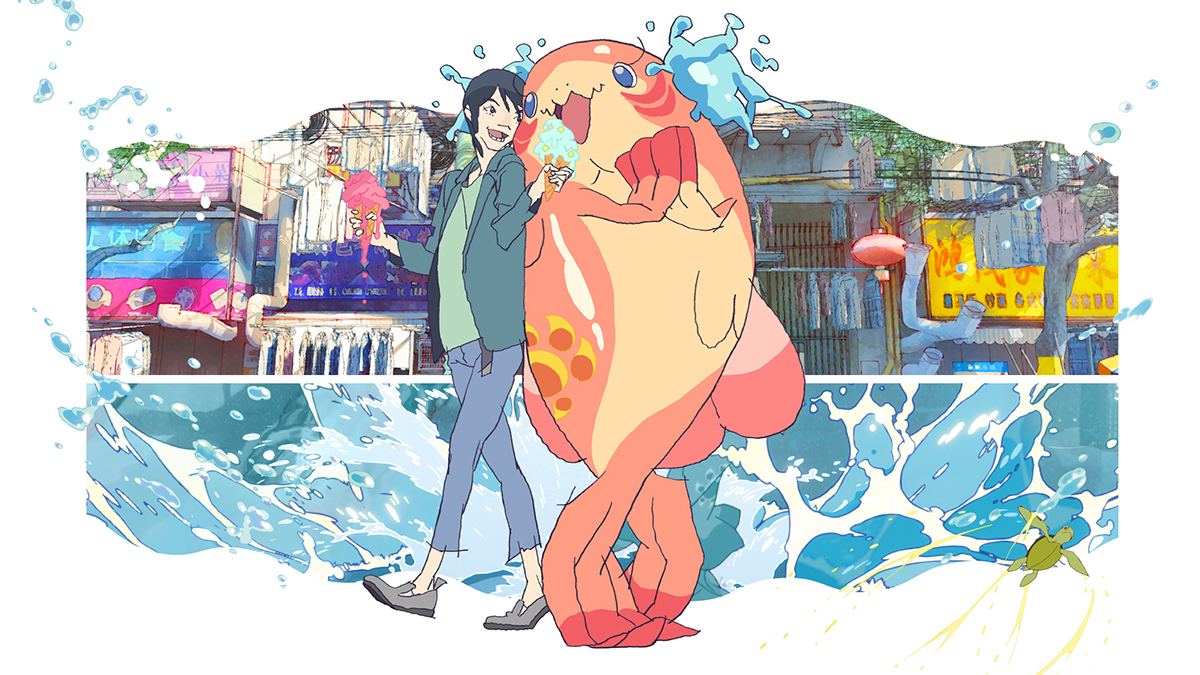
ChaO
 ChaO
ChaO
Director: Aoki Yasuhiro (青木康浩)
89 min, Color, 2025, Japan
©2025 "ChaO" Committee
Highlights include Yasuhiro Aoki’s ChaO, a spectacularly inventive romance set in a near-future Shanghai in which humans and merfolk coexist. In the Jury Prizewinner at the 2025 Annecy International Animation Film Festival, a mild-mannered engineer is proposed to by Chao, a mermaid princess, leading to some atypical struggles with cultural differences.
Last Blossom, ホウセンカ
 Director: Kinoshita Baku (木下麦)
90 min, Color, 2025, Japan
©Kazuya Konomoto /The Last Blossom Production Committee
Baku Kinoshita (Odd Taxi) deploys deceptively simple, color-soaked 2D animation and a moody soundtrack to take audiences on an unusual and moving journey of redemption in The Last Blossom, which also debuted at Annecy. The blossom of the title is a potted garden balsam, now sitting in jail talking with a dying convict, who is desperate to know whether the love of his life has found the millions he stole and hid for her in 1986.
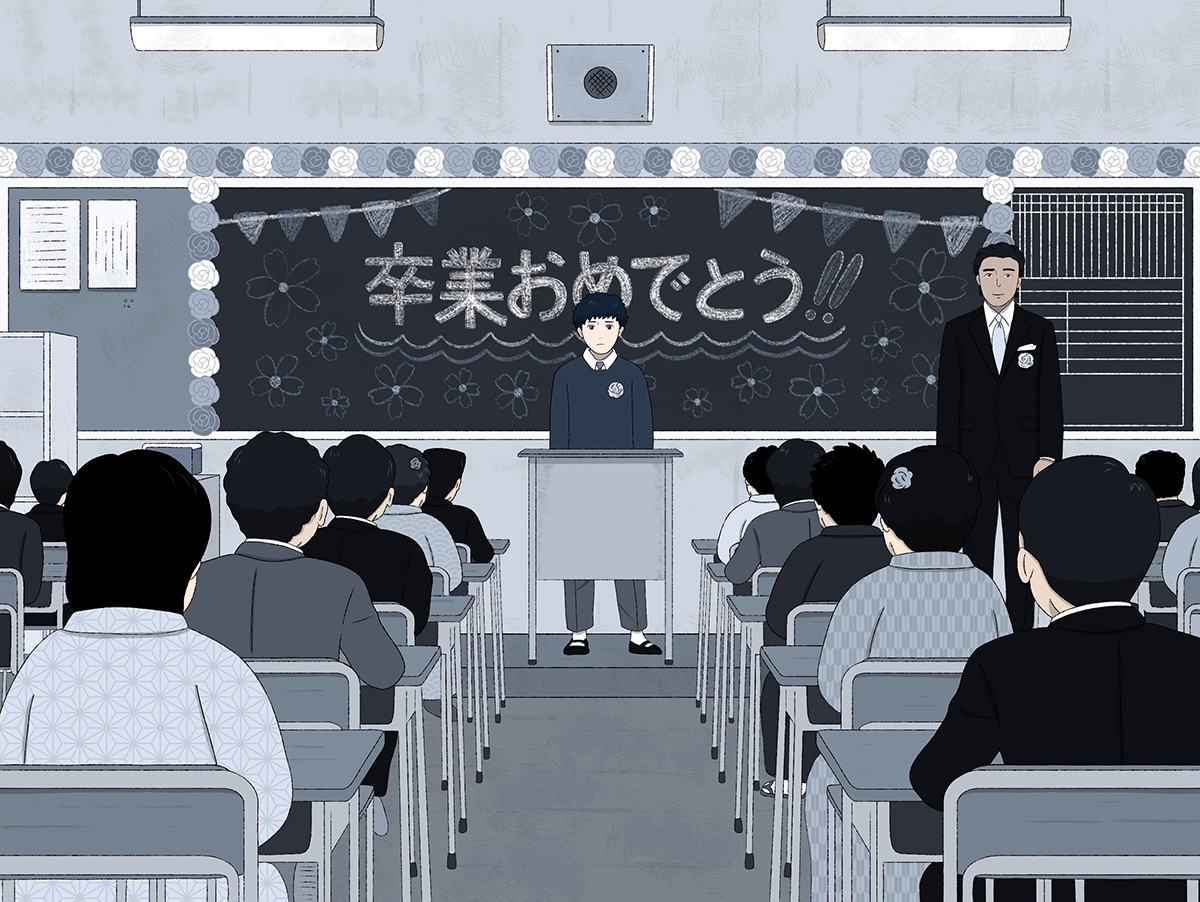
Jinsei, 無名の人生
 Director: Suzuki Ryuya (鈴木竜也)
93 min, Color, 2025, Japan
©Ryuya Suzuki
In another case of a young director depicting the lives of the older generations, Ryuya Suzuki’s solo-crafted debut, Jinsei, follows a nameless protagonist from early youth and loss for a century, through his years with a boy band (under a mogul modeled on the infamous Johnny Kitagawa) and many ups and downs, until he finally morphs into a post-human. Despite minimalist visuals, Suzuki tries on a dazzling variety of styles and manages to provoke and unsettle in equal measure.
Women’s Empowerment
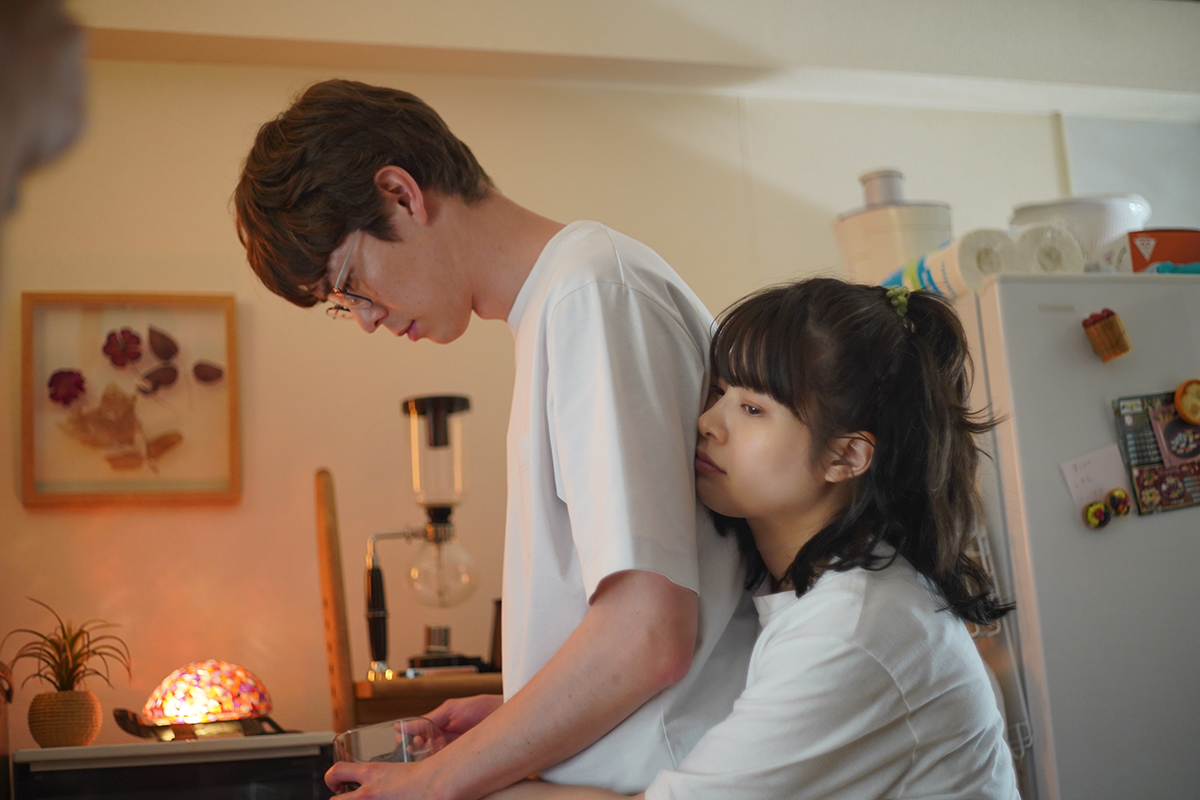
Finally, the TIFF Women’s Empowerment section features seven films by female directors, including two from Japan. Sato and Sato from Chihiro Amano (Mrs. Noisy) follows an attractive young couple, Hio Miyazawa (Egoist) and Yukino Kishii (Small, Slow but Steady), as they meet, get married, have a baby, agree that the wife will work while the husband tends the baby and studies for his bar exam — and then begin to grow apart as things don’t go the way they’ve carefully planned. While the issues they encounter may not feel particularly new to Western audiences, the two stars elevate the material, assuring that it is neither melodramatic nor disheartening, despite Japan’s lack of support and options for working parents.
Sato and Sato, 佐藤さんと佐藤さん
 Director: Amano Chihiro (天野千尋)
114 min, Color, 2025, Japan
©2025 “Sato and Sato” film partners
Japanese Classics
Mishima: A Life in Four Chapters,
ミシマ:ア・ライフ・イン・フォー・チャプターズ
 Director: Paul Schrader (ポール・シュレイダー)
122 min, Color/B&W, 1985, U.S.A./Japan
©1985 The M Film Company.
Paul Schrader’s 1985 masterpiece has been remastered and is playing for the first time ever in Japan, after it was prevented from being released at the very first edition of TIFF, where it was scheduled to play. What more needs to be said? DO NOT MISS THIS.
TIFF theaters in Hibiya-Yurakucho-Marunouchi-Ginza area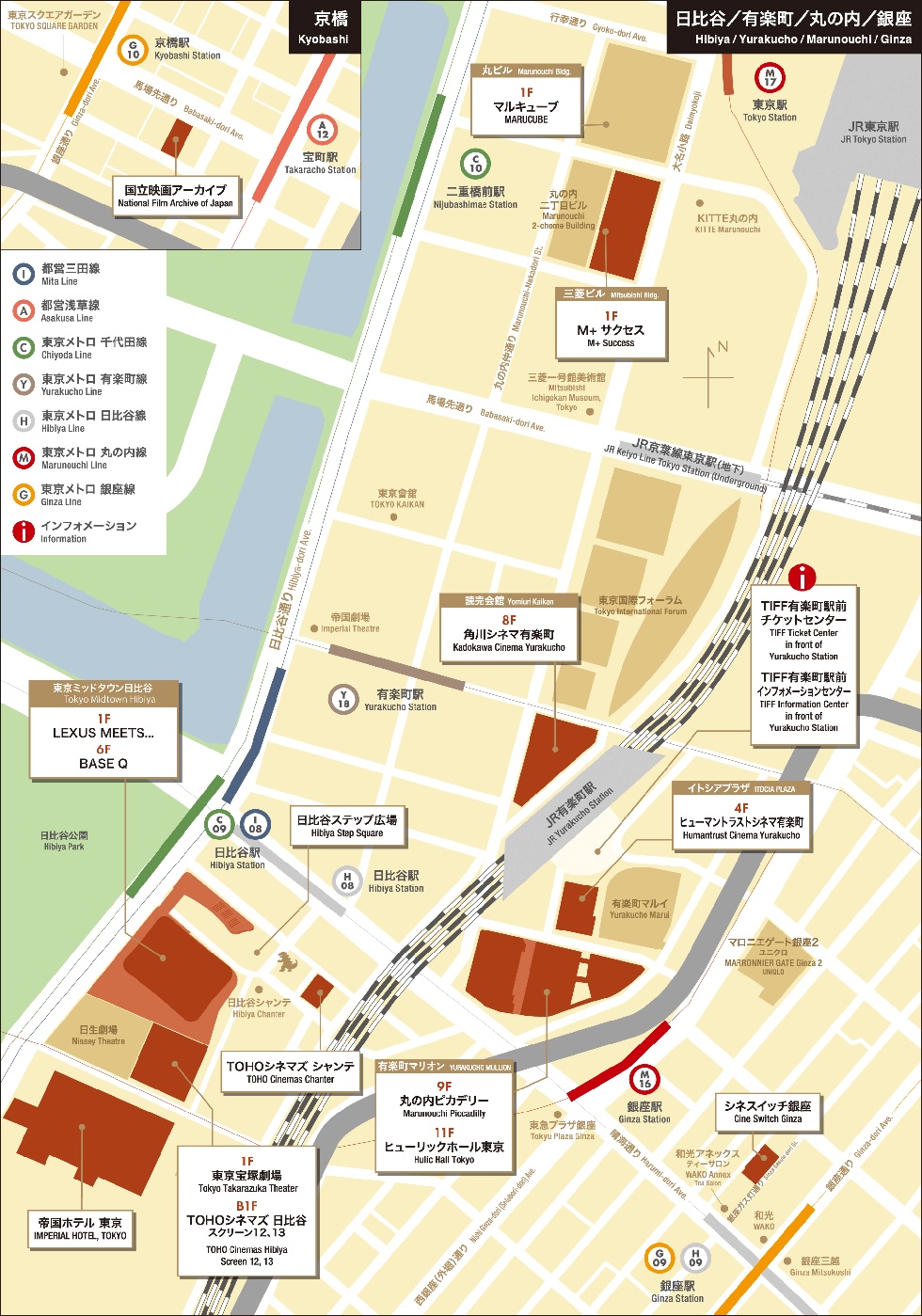
Please be sure to check with the theater before going.