
AKIO FUJIMOTO RETROSPECTIVE

Humanitarian Crises Made Profoundly Personal
Venue(s): Pole-Pole Higashi Nakano, Cine Nouveau (Osaka), Metro Theater (Fukui)March 7 (Sat), 2026 – March 20 (Fri) , 2026: screen one of the films each day.
Language: In Japanese, Burmese with English and Japanese subtitles / In Japanese, Vietnamese with English and Japanese subtitles
Official website: bit.ly/4rO3OoR
Theater website: pole2.co.jp/
Theater website: www.cinenouveau.com/access/access.html
Theater website: fukuimetro.jp/
Tariff: General: ¥2,000, University students: ¥1,400, Senior: ¥1,200
Title: 僕の帰る場所 / 海辺の彼女たち (Boku no Kaeru Basho / Umibe no Kanojotachi)
Director: Akio Fujimoto (藤元明緒)
Duration: Passage of Life (2017 / 98 min) / Along the Sea (2020 / 88 min)
Ahead of the April 24 Japanese release of the latest feature from internationally acclaimed director Akio Fujimoto, Lost Land, special screenings of his first two films will be held in Tokyo, Osaka, Fukui and beyond with both English and Japanese subtitles. The program celebrates Fujimoto’s growing global recognition, including the major awards he received for Lost Land at the 2025 Venice International Film Festival (a Special Jury Prize, the Bisato d’Oro Award for Best Director and the Netpac Award in the Orizzonti Section), eventually leading to a total of 13 awards across 11 countries. This is an opportunity that should not be missed, as their stories of displacement and migration are more urgent than ever.
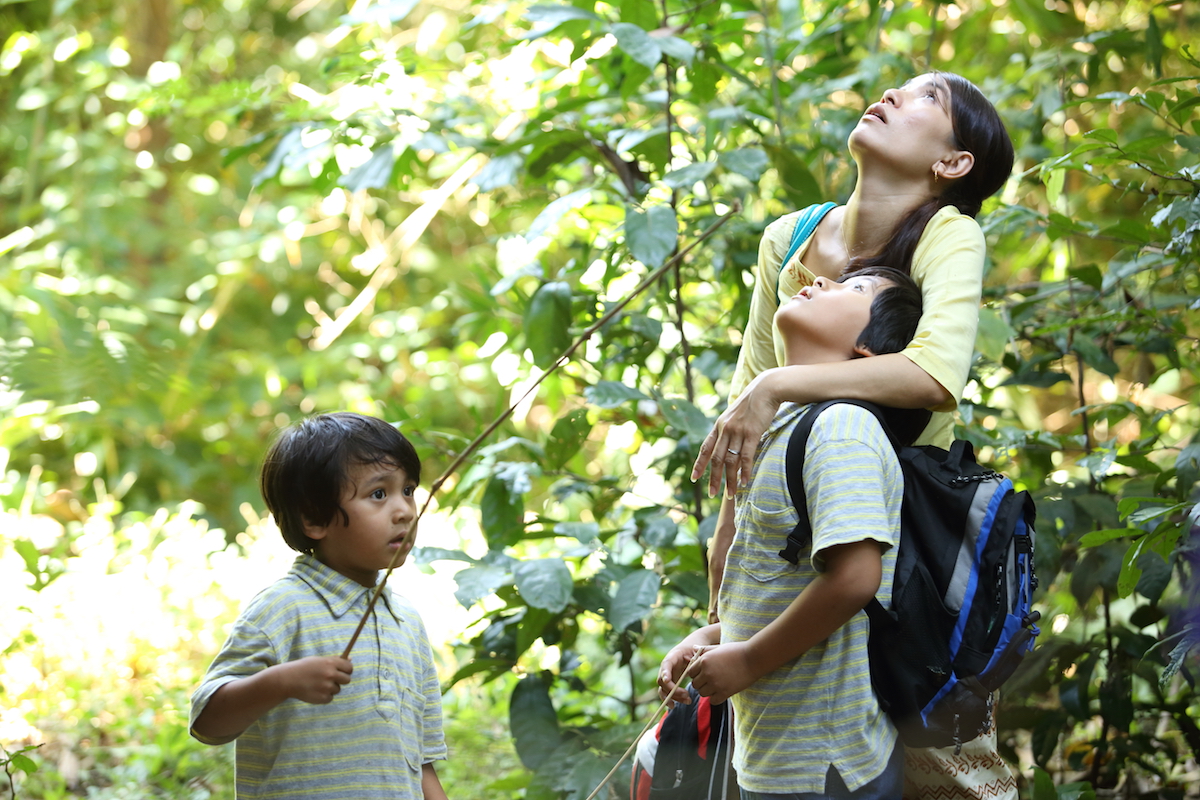
Fujimoto’s remarkable debut, Passage of Life, won both the Spirit of Asia Award and the Best Asian Future Film Award at the 2017 Tokyo International Film Festival. Shot with a tiny crew and blending fiction with documentary immediacy, it follows an undocumented Burmese family living in Tokyo who are forced to confront separation under Japan’s restrictive immigration policies. Anchored by extraordinary performances from its two child actors (the real-life children of the actress who plays their mom), the film remains one of the most empathetic portraits of immigrant life in contemporary Japanese cinema.
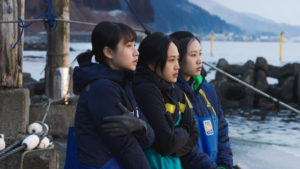
In Along the Sea, a Japan-Vietnam co-production that premiered at the San Sebastián Film Festival in 2020, Fujimoto shifts his humanist focus to three Vietnamese women trapped within Japan’s controversial Technical Intern Training Program. Fleeing exploitative labor conditions, thus losing access to their passports, they attempt to rebuild their lives in a northern coastal town—only to discover how fragile undocumented existence can be. Torn from real-world headlines, the film demonstrates Fujimoto’s deep commitment to depicting marginalized communities rarely seen on screen.
Together, these two works form a powerful prelude to the upcoming Lost Land, the first-ever Rohingya-language film, featuring over 200 Rohingya in the cast. Fujimoto crafted the narrative based on stories they told him, lending the docudrama a level of authenticity and urgency that could not have been attained any other way.
Fujimoto’s remarkable debut, Passage of Life, won both the Spirit of Asia Award and the Best Asian Future Film Award at the 2017 Tokyo International Film Festival. Shot with a tiny crew and blending fiction with documentary immediacy, it follows a Burmese family living undocumented in Tokyo, forced to confront separation under Japan’s restrictive immigration policies. Anchored by extraordinary child performances, the film remains one of the most empathetic portraits of immigrant life in contemporary Japanese cinema.
In Along the Sea, Fujimoto shifts focus to three Vietnamese women trapped within Japan’s controversial Technical Intern Training Program. Fleeing exploitative labor conditions, they attempt to rebuild their lives in a northern coastal town—only to discover how fragile undocumented existence can be. Torn from real-world headlines, the film deepens Fujimoto’s commitment to marginalized communities rarely seen on screen.
Together, these two works form a powerful prelude to LOST LAND, tracing a decade-long cinematic inquiry into displacement, labor, and belonging.
Pole-Pole Higashi Nakano
Metro Theater
Cine Nouveau
Please be sure to check with the theater before going.