
COMPANY RETREAT
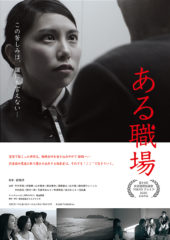
Groupthink Gets a Rethink in Sexual Harassment Docudrama
Venue(s): Pole-Pole Higashi NakanoMarch 5 (Sat) — March 18 (Fri), 2022. Mon.to Fri.: 19:20, Sat. and Sun.: 15:00
Language: In Japanese with English subtitles
Official website: arushokuba.com/
Theater website: pole2.co.jp/
Theater website: pole2.co.jp/address
Theater website: pole2.co.jp/coming/b43ca1f0-13da-4193-b485-5e1dd2c4ed05
Tariff: General: ¥1,800, University students: ¥1,200, Senior: ¥1,200, Handicapped/Students (Elementary/Junior-high/High school): ¥1,000, ¥2,200 for screening with special event.
Talk event: Many talk events after screenings: https://pole2.co.jp/news/4b922bf1-0338-4365-82e9-e7fc0fdf7622
Title: ある職場 (Aru Shokuba)
Director: Atsushi Funahashi (舩橋淳)
Duration: 135 min
Nearly 18 months after its world premiere at the 2020 Tokyo International Film Festival (TIFF), Atsushi Funahashi’s gripping docudrama on workplace sexual harassment and its impact on both victim and coworkers is finally hitting theaters, with English subs at all screenings. Company Retreat is inspired by actual events, and the poster tagline reads, “A true story… for one in four adults in Japan.” This is sadly not surprising, given that the #MeToo movement never took root here, and Japan ranks 121st in gender equality, the lowest among developed countries.
In 2018, a young female receptionist at a well-known hotel chain was harassed by a male superior (an event the film imagines in a shocking scene that is sure to resonate with many women in the workforce, both inside Japan and everywhere else). When she spoke out about the incident, the receptionist found herself the target of incessant online abuse after her story had been leaked, perhaps by a vindictive colleague.
As the end titles of Company Retreat inform us, a recent Japanese government survey found that the majority of labor disputes involved either sexual or power harassment, with nearly 83,000 cases reported each year — yet 45% of victims chose not to take action and kept silent.
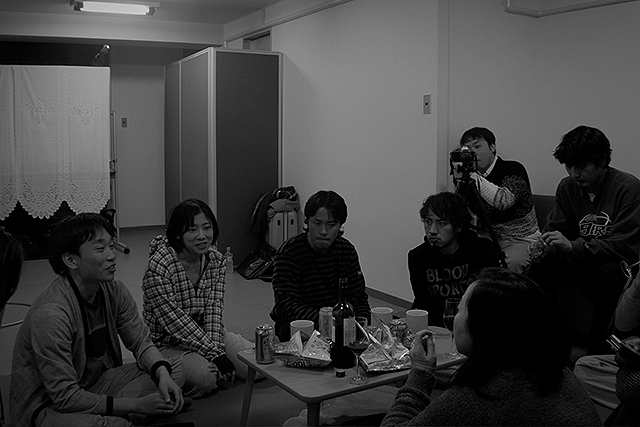
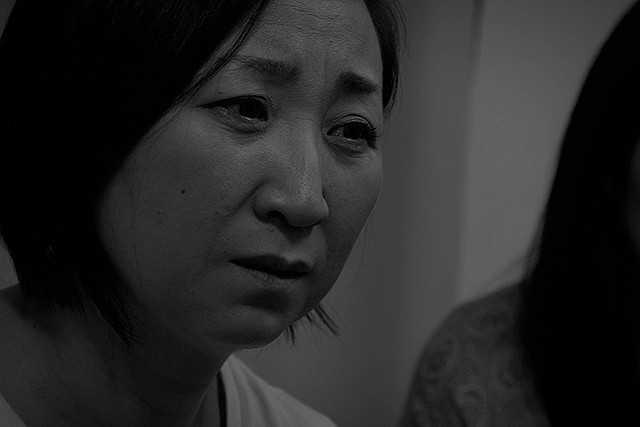
Company Retreat examines a case in which the victim does speak out, speculating about how the woman, Saki (Saki Hirai), and her colleagues may have interacted following the public airing of dirty laundry. At a company retreat on the seashore in Shonan, ostensibly organized by her largely supportive coworkers to cheer her up, it soon becomes clear that there is simmering resentment against Saki. Her decision to speak out has tarnished the hotel chain’s reputation, thus indirectly endangering everyone’s jobs. Soon enough, Saki is in for an earful.
Director Atsushi Funahashi graduated from film school in New York and has made international coproductions (Big River, Lovers on Borders) as well as social-issues documentaries (his Nuclear Nation series is essential viewing). In creating Company Retreat, he sought to avoid making the screenplay too male-voiced or too focused on a single-gender perspective by conducting workshops in which the actors themselves cowrote the dialogue. They have been cast to reflect a variety of types — from the divorced older career woman to the unsympathetic corporate drone to the male workers who come out as gay during the retreat — thus enhancing the film’s sense of bleak realism.
As Funahashi told the TIFF audience, “No one talks about harassment issues [in Japan], as if nothing has happened. There’s no opportunity to have a real conversation and only the authorities make a decision [on cases that are reported]. I wondered on what occasion people might actually talk about what they’re feeling,” and he thus hit upon the idea of a company retreat.
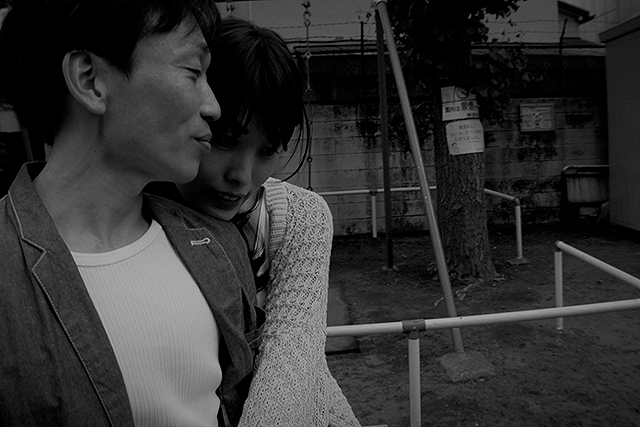
As the tension and anxiety ratchet up in Company Retreat, and we see the unbearably cruel ways in which workers treat each other in Japan’s intensely conservative, patriarchal corporate society, it seems that the debate is less about her boss’ inappropriate behavior than about Saki “selfishly” speaking out, rather than accepting the status quo. After so much discussion and interchange, this feels both authentic and undeniably tragic.
Pole-Pole Higashi Nakano
Please be sure to check with the theater before going.