
YEBISU INTERNATIONAL FESTIVAL FOR ART & ALTERNATIVE VISIONS 2022
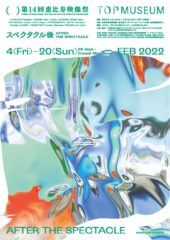
Exploring Unusual Views of Our Altered Reality
Venue(s): Tokyo Photographic Art Museum, Center Square of Yebisu Garden Place (Off-site Project)Feb. 4 (Fri) to Feb. 20 (Sun), 2022: 10:00 - 20:00 except Mondays
Official website: www.yebizo.com/en/
Theater website: www.yebizo.com/en/access/
Tariff: Day ticket: ¥1,000; Art events at 1&2 floors are free of charge.
Advance tickets: https://www.yebizo.com/en/ticket: ¥500
Talk event: Visit official site for details.
Title: 第14回 恵比寿映像祭 スペクタクル後 (Dai 14 Kai Ebisu Eizosai, After the Spectacle)
The Yebisu International Festival for Art & Alternative Visions (Yebizo) returns with 15 days of film screenings, art installations, live/zoomed events, lectures and talk sessions around its home venue, the Tokyo Photographic Art Museum. This 14th edition, themed After the Spectacle, examines the history of the (moving) image and expositions over the past 200 years, and the way “our perception of natural disasters was transformed by expositions, photographs and movies through visual recreations of such events as great spectacles and magnificent sights.”
The diverse lineup of English-subtitled works by creators from Japan and abroad ranges from experimental and animated shorts to feature-length films, as well as contemporary artpieces. Some of the titles are being shown in Japan for the first time, and screenings will be followed by talk sessions with the directors and other special guests.
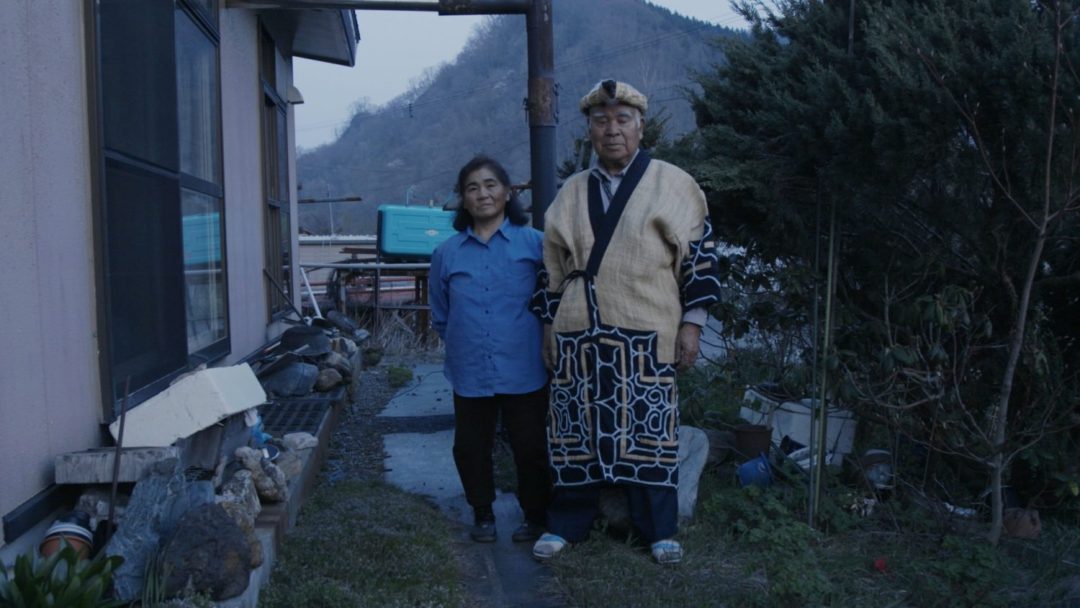
AINU NENO AN AINU — A New Portrait
Feb. 4, 18, 20, 2022
Tokyo Photographic Art Museum 1F Hall
Among the films not to miss are the mid-length documentary Ainu Neno an Ainu — A New Portrait by the international collective Lunch Bee House, named after a café in Nibutani, Hokkaido. Filmmaker/artist Neo Sora (Japan/US), documentary photographer Laura Liverani (Italy/Japan) and producer Valý Þórsteinsdóttir (Iceland) together and individually spent time in Nibutani among one of Japan’s indigenous communities, and have created a compelling portrait of the Ainu today.
Narrated by a young Ainu woman, Maya Sekine, the film focuses on how the language (banned by Japan during the Meiji era, and thus almost lost) and local traditions are undergoing cultural conservation efforts in the remaining communities with Ainu roots. Maya introduces her father, a much-loved language teacher and her performer mother, and we meet a generational range of artists, musicians and others, both Ainu and Japanese, who are passing down essential lore.
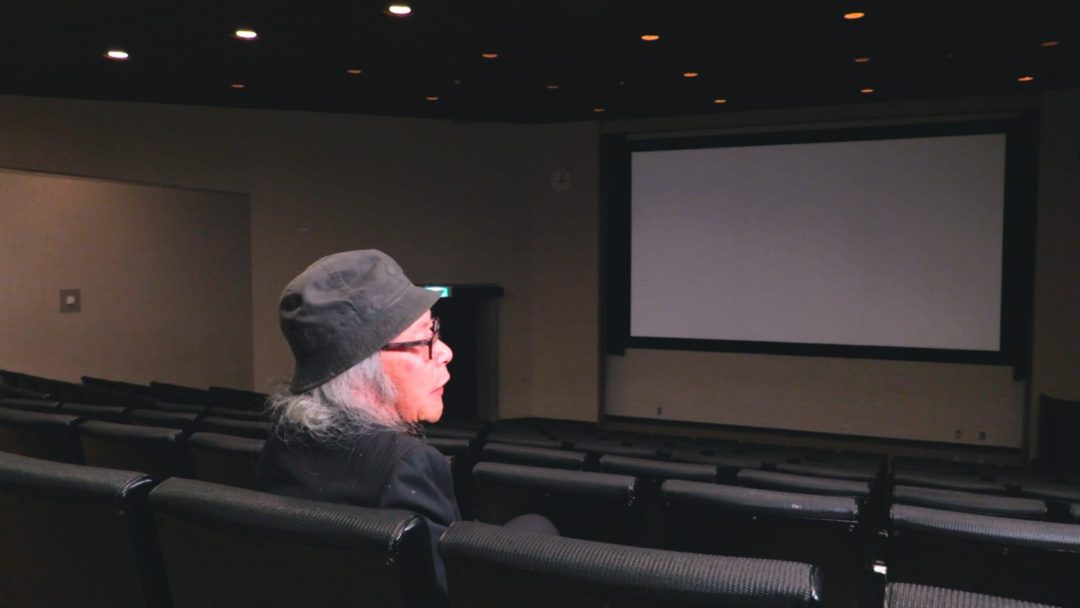
Cinephilia Now Trilogy
Feb. 12, 2022
Tokyo Photographic Art Museum 1F Hall
Yusuke Sasaki’s Cinephilia Now Trilogy is screening three new features by the filmmaker and cinema lover, who moved to Tottori in 2016, only to discover that there were only three movie theaters in the entire prefecture. His search for more screens gradually led him to find like-minded individuals, and to realize that there was a local love of cinema that just wasn’t being served. In his 2020 Trilogy, which is being shown in Tokyo for the first time, Sasaki highlights some of the characters and the challenges of film production and exhibition outside of Japan’s major urban centers.
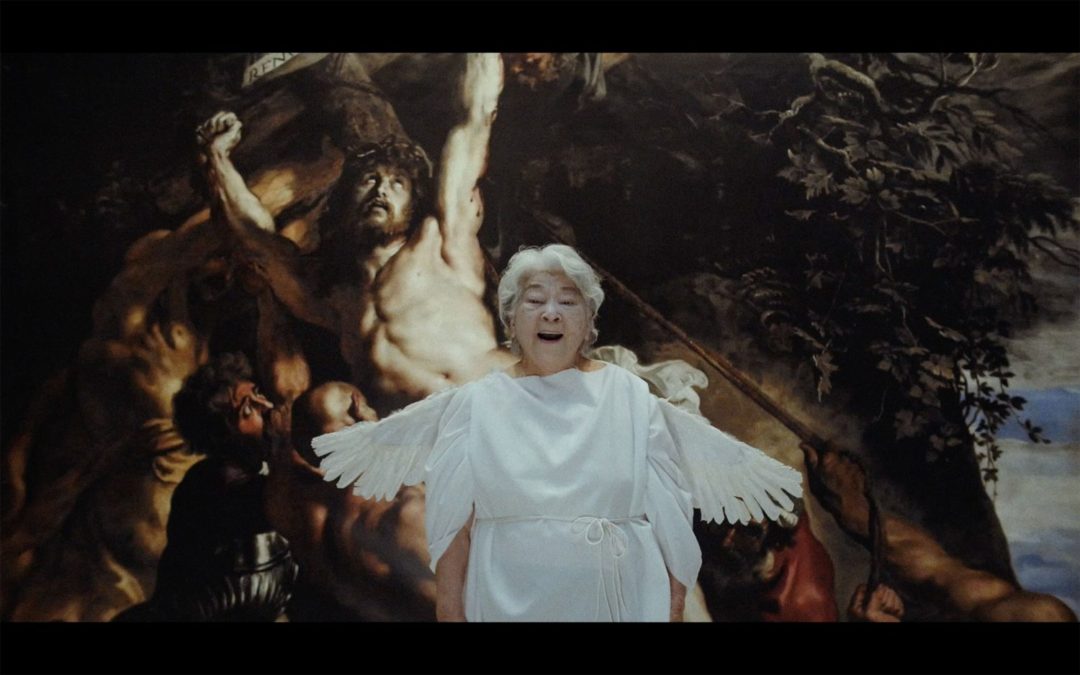
Gravity and Radiance
Feb. 9, 13, 15, 2022
Tokyo Photographic Art Museum 1F Hall
Umi Ishihara combines documentary and fiction in her short films, which are based on personal experience but develop into universal narratives on such themes as love, gender and insanity. The festival is highlighting some of her earlier work in a section dubbed Landscapes in heaven and hell (among the intriguing titles therein are Janitor of Lunacy and Disgraced Heaven).
Ishihara’s new mid-length film Gravity and Radiance: The full testament is an expanded “documentary” version of an earlier short, which is set in a church in Kitakyushu and introduces the activities of a Christian support group. It asks viewers to decide whether the additional scenes, acted by the group members, are depictions of heaven or hell.
The Works and Days (in the Shiotani Basin)
Feb. 11, 2022
Tokyo Photographic Art Museum 1F Hall
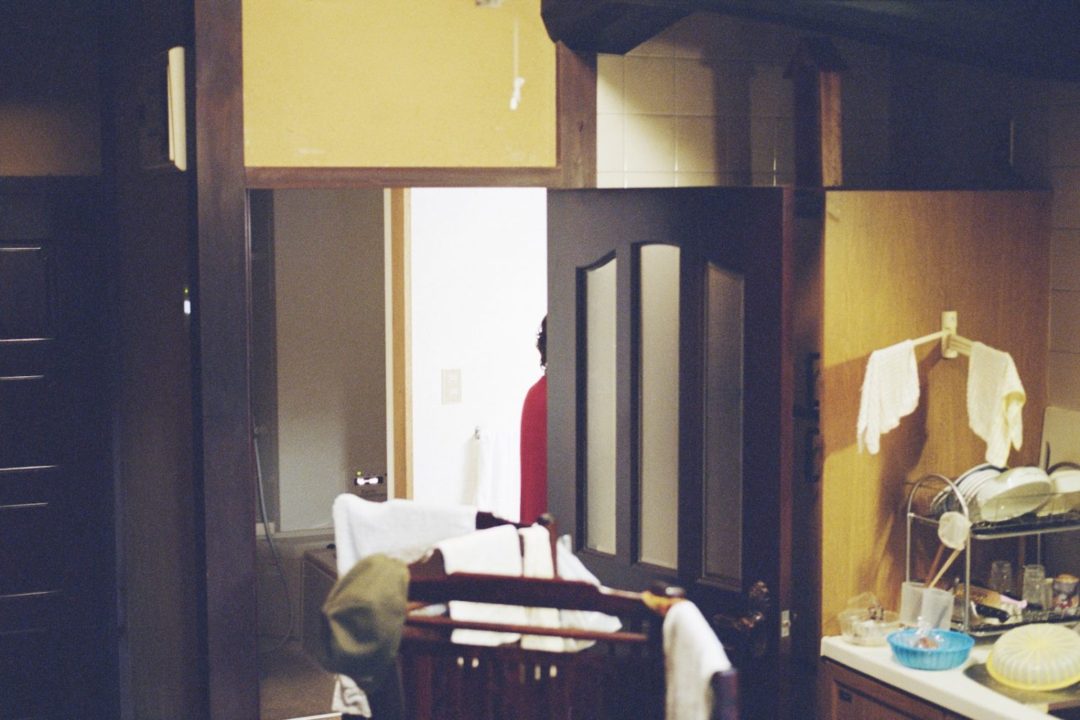
If you didn’t yet catch the 8-hour docu-style narrative The Work and Days (in the Shiotani Basin) by American C.W. Winter and Swede Anders Edstrom, now’s your chance. The film covers 14 months in the life of Tayoko Shiojiri (Edstrom’s mother-in-law), her family, friends and neighbors, all farmers living in a tiny hamlet in the Kyoto mountains. Shiojiri’s husband suffers health setbacks as the months go on, and she writes about that and many other things in the diary she keeps, which becomes the film’s narration.
The gorgeous landscape imagery, the dense soundscape and the scenes of day-to-day labor and camaraderie, as well as the occasional familiar face — star Ryo Kase appears as a character — are surprisingly mesmerizing. Winner of the Best Film Prize in the Encounters section of the 2020 Berlin International Film Festival, it marks the directors’ second feature-length collaboration since The Anchorage, a decade ago.
After the Spectacle Animated — DigiCon6 ASIA
Feb. 8, 13, 17, 2022
Tokyo Photographic Art Museum 1F Hall
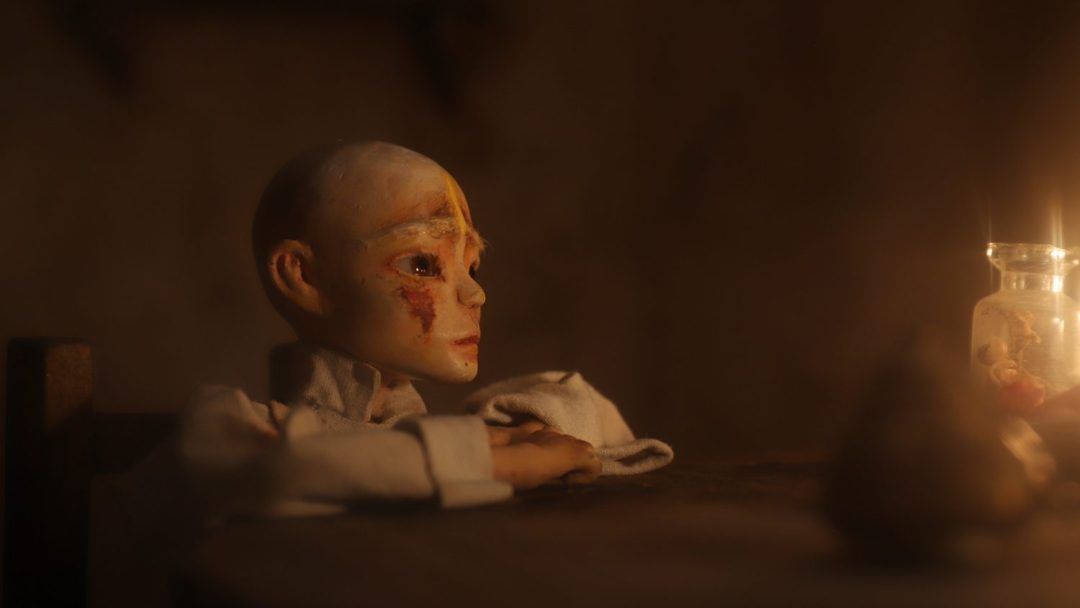
Several Japanese award winners at the 23rd DigiCon6 ASIA short film festival hosted by TBS will be highlighted in the After the Spectacle Animated — DigiCon6 ASIA section. The wide-ranging festival discovers and fosters next-generation video creators from throughout Asia, most of them working in animation. Among the 11 featured titles are Honami Yano’s incredibly beautiful and moving stippled portrait of childhood, A Bite of Bone. Mizuki Ito’s Takano Intersection deftly sketches an indelible incident at a pedestrian crossing, while Shinobu Soejima’s Blink in the Desert is a stunning stop-motion tale about a monk and a moment he will always regret.
 Short Films by Emerging Filmmakers — Fluctuating between Dream and Reality
Feb. 6, 10, 18, 2022
Tokyo Photographic Art Museum 1F Hall
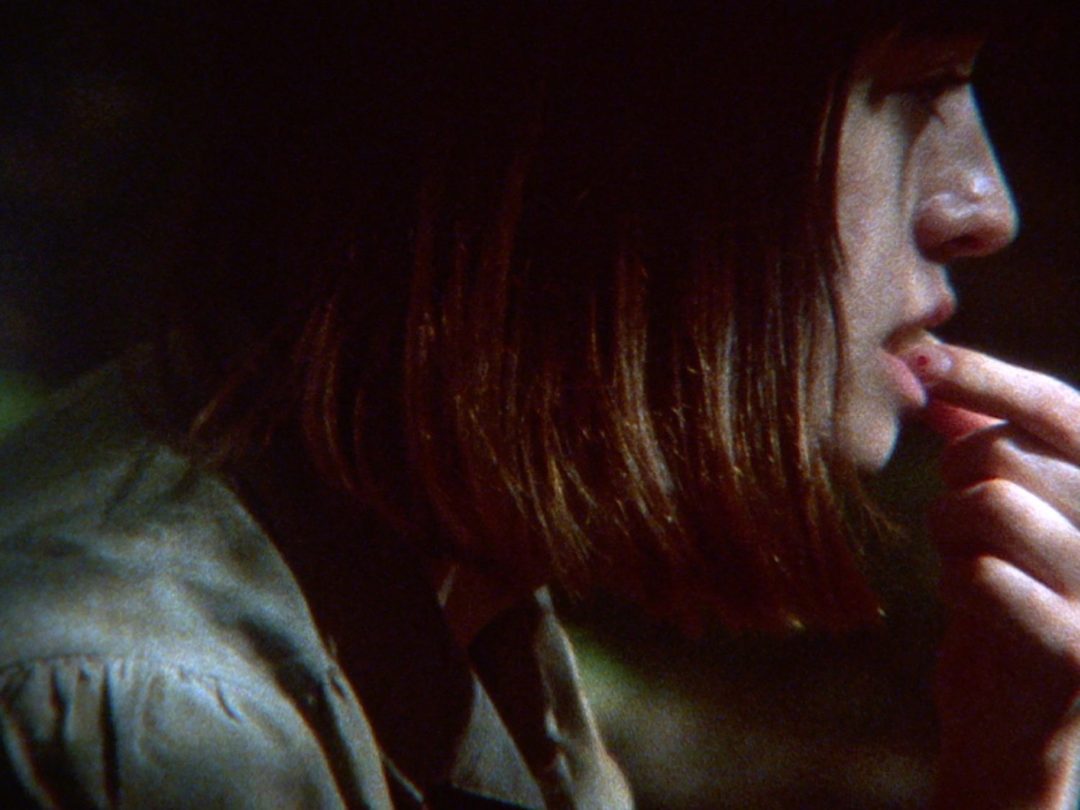
The section Short Films by Emerging Filmmakers — Fluctuating between Dream and Reality includes Japanese creators Aya Kawazoe, Eri Saito and Shun Ikezoe. The section highlights personal struggles against others, as well as outside forces like natural disasters and rigid social systems. In Night Train, Kawazoe observes the lives of couples living under some sort of invisible external pressure. Saito’s five short-shorts expose ambiguities arising from differences in perception and misconnections between thought and action. In Ikezoe’s What is it that you said?, personal memories are transformed into a film through the “windows” of multiple collaborators.
X
2/4/2022 - 2/20/2022
Online: updated once a day, live from 11:00 on the last day.
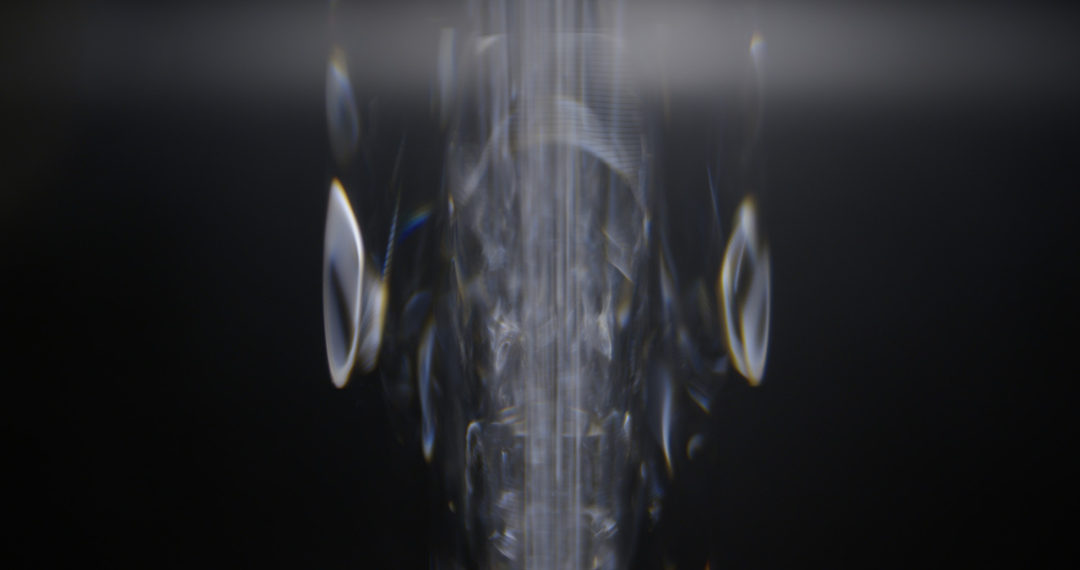
Finally, don’t miss the online film experiment from filmmaker Maiko Endo (Kuichisan), an Yebizo (and Tokyo Filmgoer) favorite. Running for the duration of the festival, the film-without-a-storyline-yet considers the human “mind” as a thing we cherish, although we don’t know much about it. Exploring the whereabouts of her own “mind” by filming and editing subjects that were “naturally” chosen by it, Endo may or may not construct a storyline as she continues to randomly shoot day after day. But if she does, how will that story affect the “minds” of viewers who watch and try to interpret it?
Tokyo Photographic Art Museum
Please be sure to check with the theater before going.