
NFAJ: NAOMI KAWASE RETROSPECTIVE
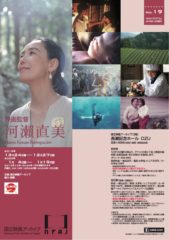
Japan’s Only Female Auteur Gets Her Own Retrospective
Venue(s): National Film Archive of Japan, Nagase Memorial Hall OzuDecember 24, 2019 - January 19, 2020
Language: Japanese with English subtitles, films on Jan. 14 and Jan. 18 are with English, and Chinese or Korean subtitles
Official website: www.nfaj.go.jp/english/exhibition/essential201907/
Theater website: www.nfaj.go.jp/english/visit/access/
Tariff: General: ¥520, Student/Senior: ¥310
Advance tickets: ¥520+¥110, http://bit.ly/2PJ0KdT
Title: 映画監督 河瀬直美 (Eiga Kantoku Kawase Naomi)
Naomi Kawase — the only Japanese director to be selected for Cannes 8 times (5 of them in the main competition), the youngest-ever winner of the Camera d’Or, the only Japanese winner of the Carrosse d’Or, the founder of the biennial Nara International Film Festival, and soon to be the director of the official Tokyo Olympics 2020 documentary — is finally getting a long overdue tribute, thanks to the National Film Archive Japan. Nearly all the films have English subs, so if you’ve not had a chance to explore her work before, now’s the time.
The director, a native of Nara who began her career making 8mm documentaries, has been widely hailed globally, yet always had a fraught relationship with homegrown audiences. This is partially because her earlier films were uncompromisingly personal and her level of artistic confidence was not considered humble enough, and partially because she has always challenged prevailing representations of women within the male-dominated Japanese film industry.
If it’s a fault to focus on “feminine” subjects (first love, childbirth, intimate family relationships), or to find the ineffable in sun-dappled leaves, moonrises and traditional festivals, then Kawase is guilty. But look beyond what you may have read about her earthy, mystical, new-agey approach — there is much to savor in Kawase’s work, both stylistically and thematically, and it continues to deserve attention.
*: Films are with English sub-titles.
STILL THE WATER on Jan. 14 are with English and Chinese subtitles
STILL THE WATER on Jan. 18 are with English and Korean subtitles
I. Director: Naomi Kawase
Jan. 4, (Sat), 2020 12:30 PM
Jan. 15, (Wed), 2020 7:00 PM
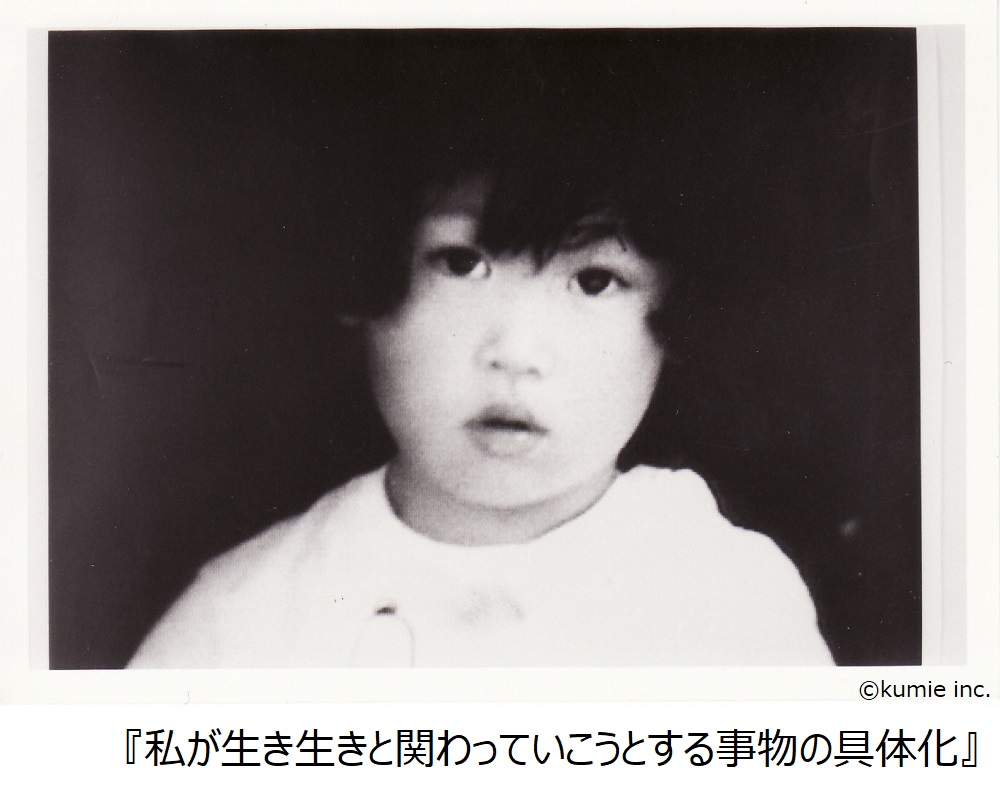
Naomi Kawase Early shorts, 河瀨直美初期短篇集
Total 96 min, 1988 to 1991, Some films are silent
The NFAJ retrospective is showing some of her earliest 8mm documentaries, which were invariably subjective and autobiographical, as the young Kawase went on a “relentless search for self” and for the parents who had abandoned her. She made her longer-form debut with the 40-minute Embracing in 1992, in which she tries, with some success, to track down her estranged father. The 40-minute Katatsumori (1994) is the first of a trilogy of films centering on the great-aunt who raised her, Uno Kawase.
II. Director: Naomi Kawase
Dec. 24, (Tue), 2019 3:00 PM with guest talk
Jan. 4, (Sat), 2020 3:30 PM

*: EMBRACING, につつまれて, 40 min, 1992
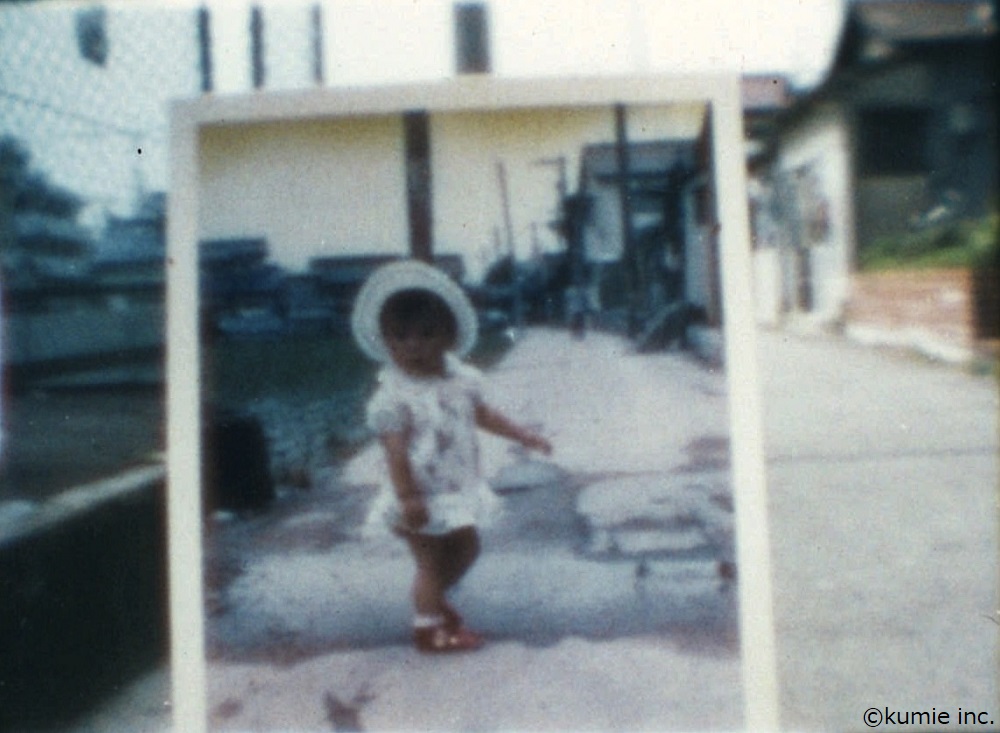
*: KATATSUMORI, かたつもり, 40 min, 1994
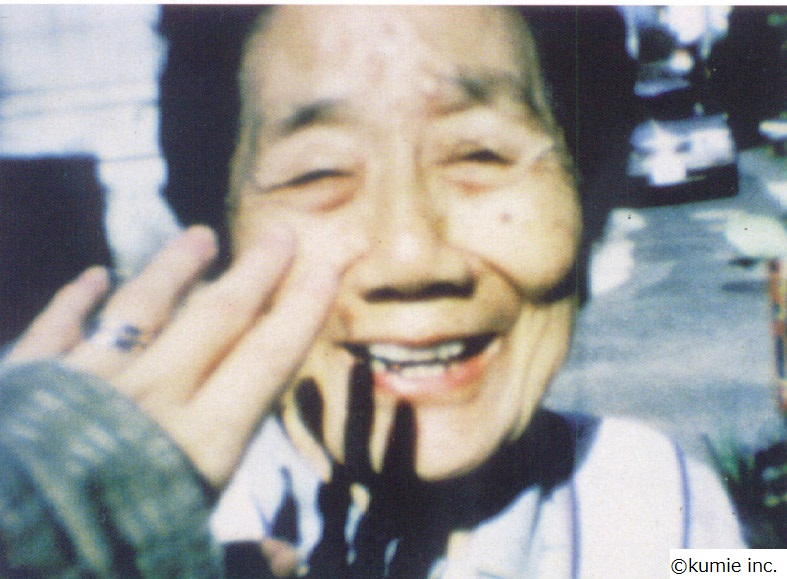
*: SKY, WIND, FIRE, WATER, EARTH, きゃからばあ, 50 min, 2001
III. Director: Naomi Kawase
Dec. 25, (Wed), 2019 3:00 PM with guest talk
Jan. 16, (Thu), 2020 7:00 PM
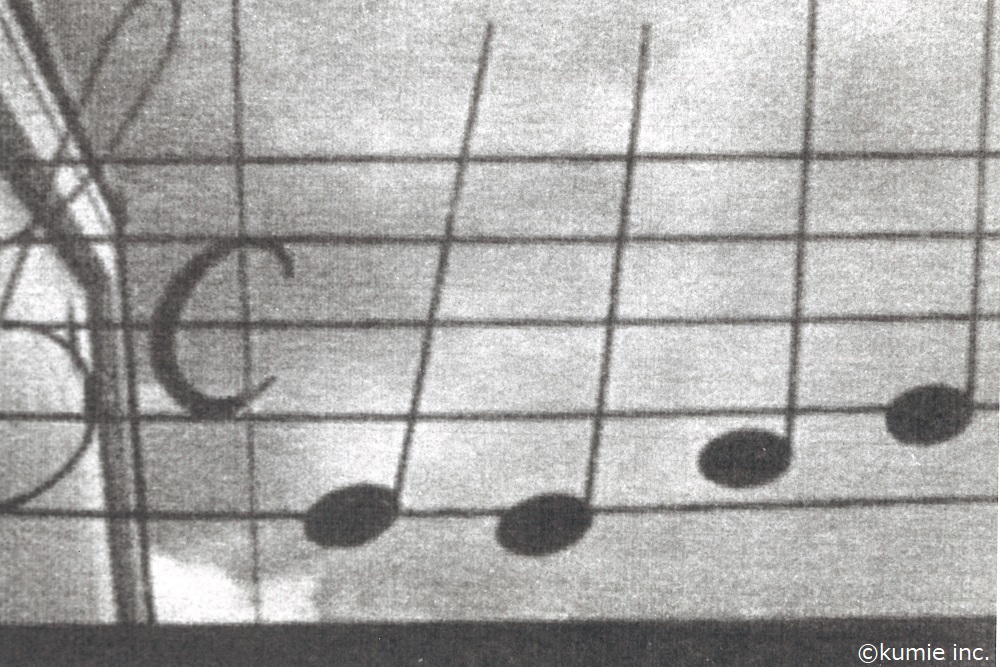
*: THIS WORLD, 現しよ, 65 min, 1996
The 65-minute This World (1996) is essentially a video exchange between Kawase and Hirokazu Kore-eda, who also began his career making documentaries, in which they discuss filmmaking and the capturing of memories — something Kore-eda would go on to explore more deeply in his After Life two years later.
IV. Director: Naomi Kawase
Dec. 24, (Tue), 2019 7:00 PM with guest talk
Jan. 5, (Sun), 2020 1:00 PM
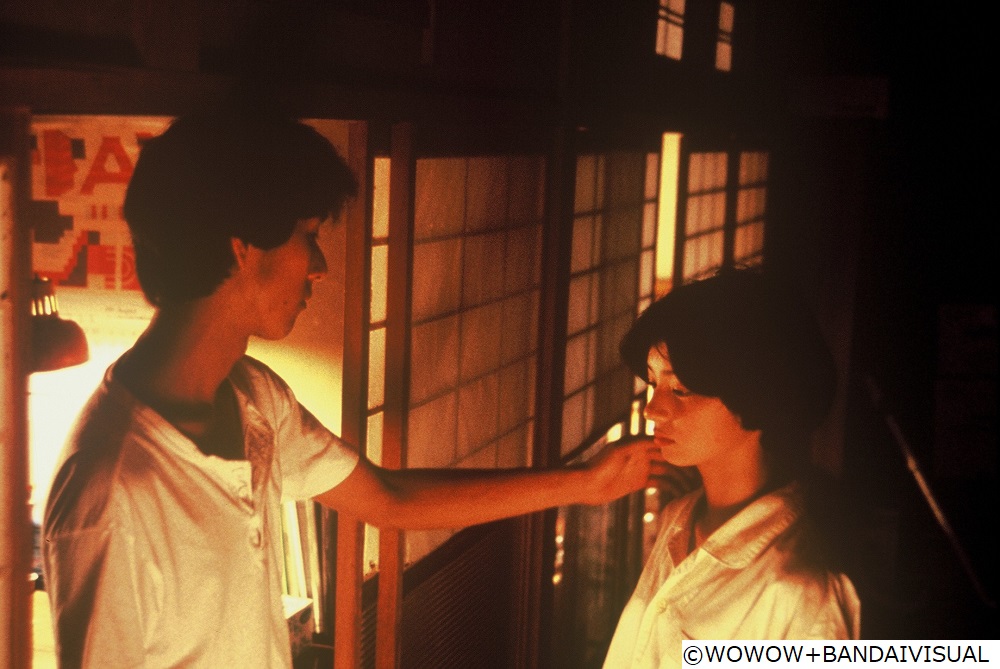
*: SUZAKU, 萌の朱雀, 95 min, 1997
In 1997, Kawase became the youngest winner of the Camera d’Or at Cannes with her first fiction feature, Suzaku (Moe no Suzaku). Her 35mm debut, as well as the debut of Machiko Ono, who would later play the uptight mother in Kore-eda’s Like Father, Like Son, the film is set in the mountainous Nishi-yoshino region of Nara Prefecture where Kawase grew up. It concerns one Tahara Kozo (Jun Kunimura), who lives a modest life with his mother, wife, nephew and daughter in a rural backwater. He hopes that a new tunnel will bring the village more business, but construction is halted half way, and the family struggles to survive. Then one day Kozo leaves the house with his 8 mm camera and disappears into the tunnel.
V. Director: Naomi Kawase
Dec. 26, (Thu), 2019 3:00 PM
Jan. 17, (Fri), 2020 6:30 PM
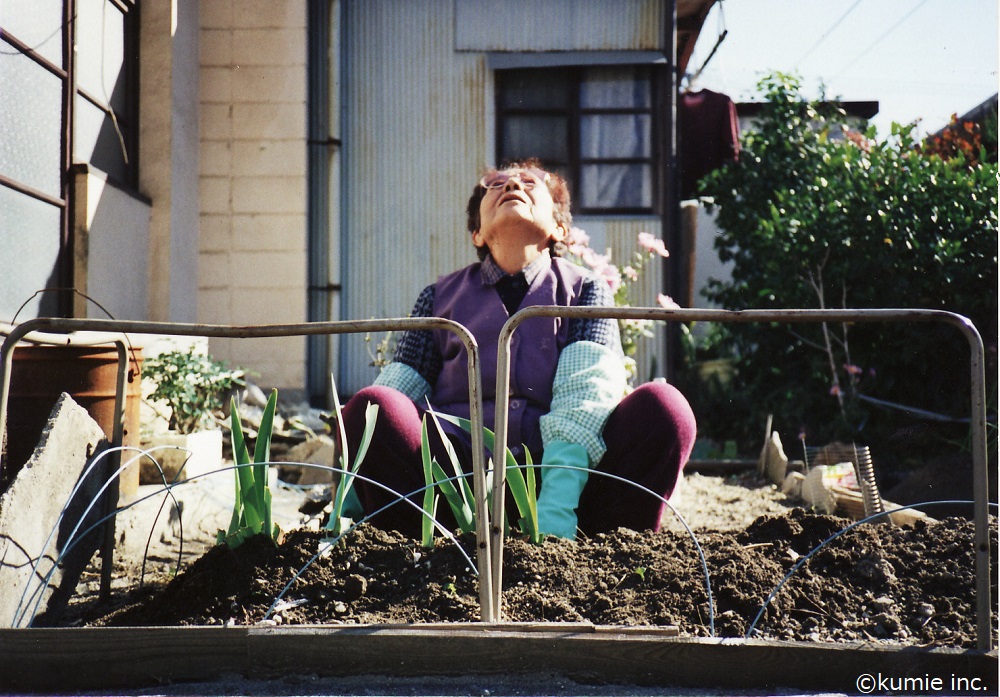
SEE HEAVEN, 天、見たけ, 10 min, 1995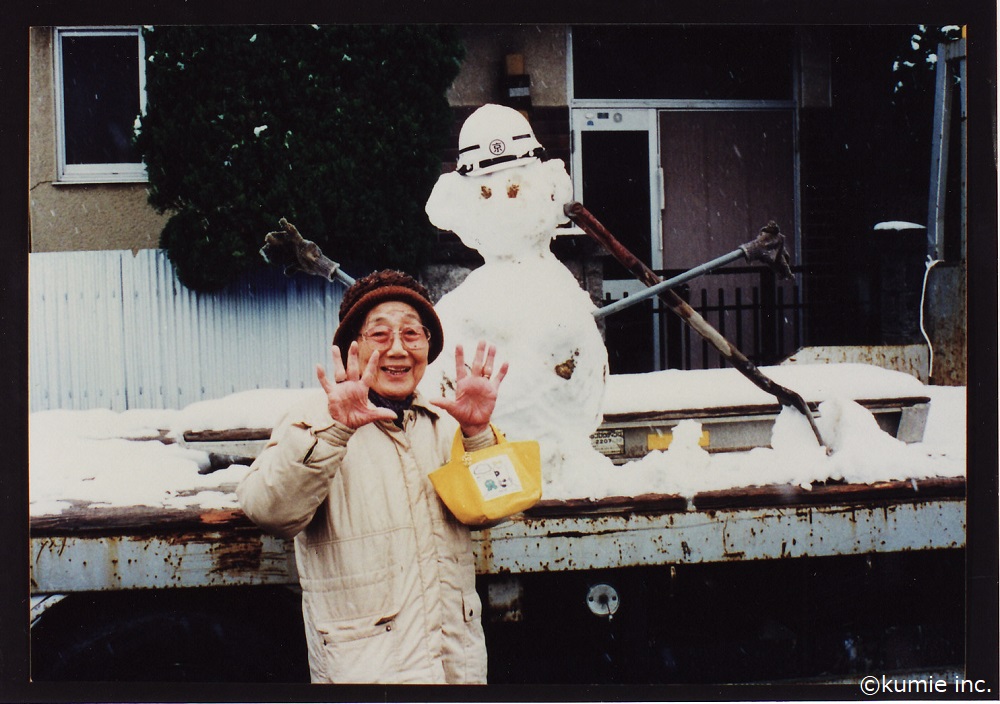
SUN ON THE HORIZON, 陽は傾ぶき, 45 min, 1996
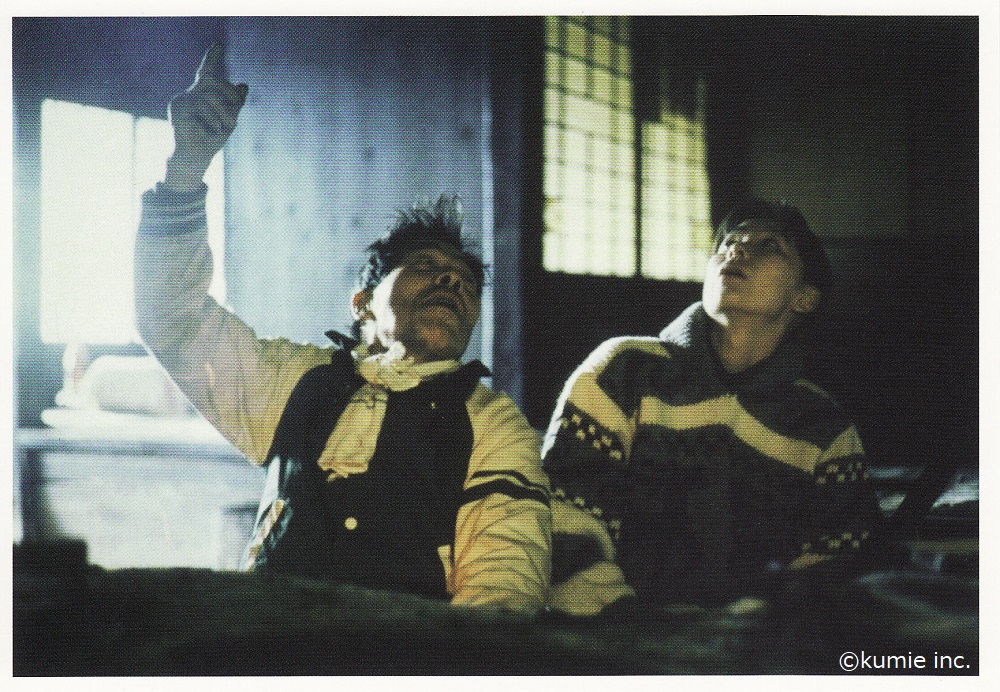
THE WEALD, 杣人(そまうど)物語, 73 min, 1997
VI. Director: Naomi Kawase
Jan. 5, (Sun), 2020 4:00 PM
Jan. 10, (Fri), 2020 2:30 PM with guest talk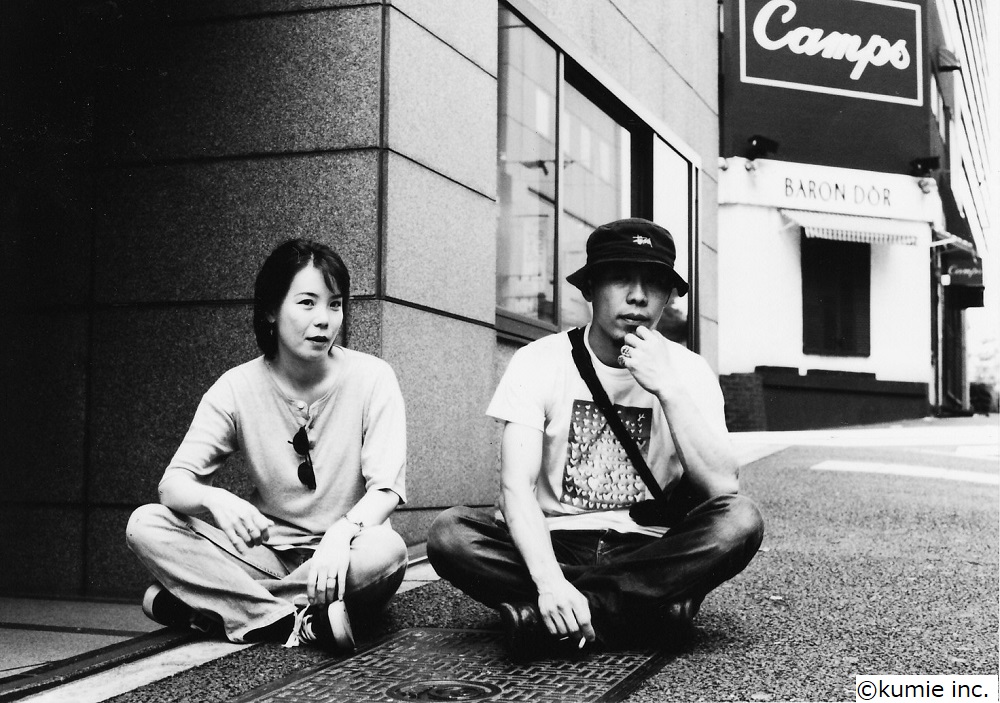
*: MANGEKYO, 万華鏡, 81 min, 1999
VII. Director: Naomi Kawase
Jan. 10, (Fri), 2020 5:30 PM with guest talk
Jan. 15, (Wed), 2020 3:00 PM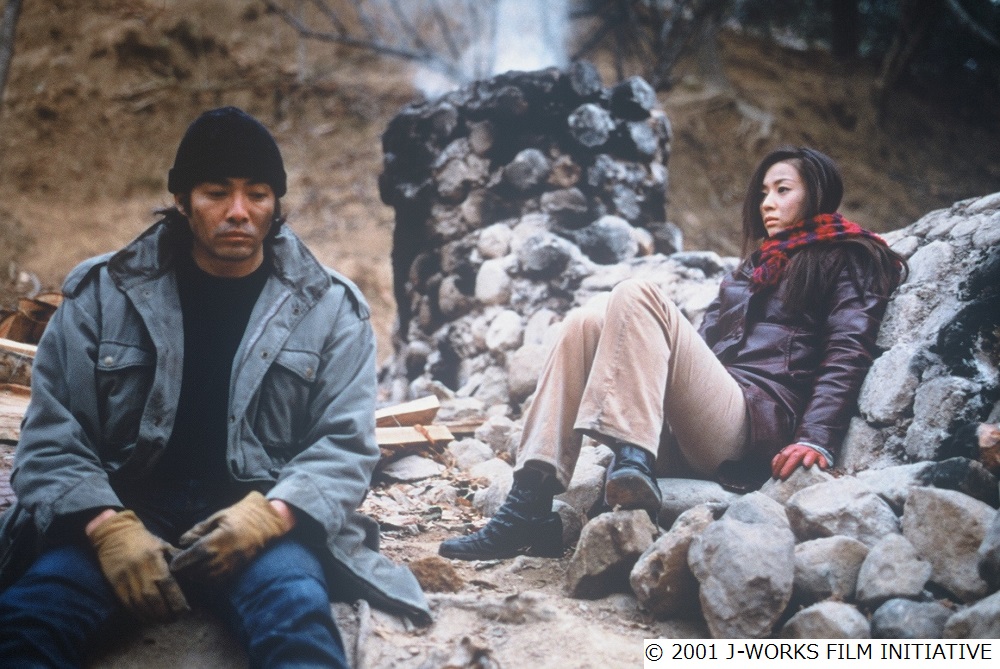
*: FIREFLY, 火垂(ほたる), 164 min, 2000
VIII. Director: Naomi Kawase
Dec. 27, (Fri), 2019 3:00 PM
Jan. 12, (Sun), 2020 4:00 PM with guest talk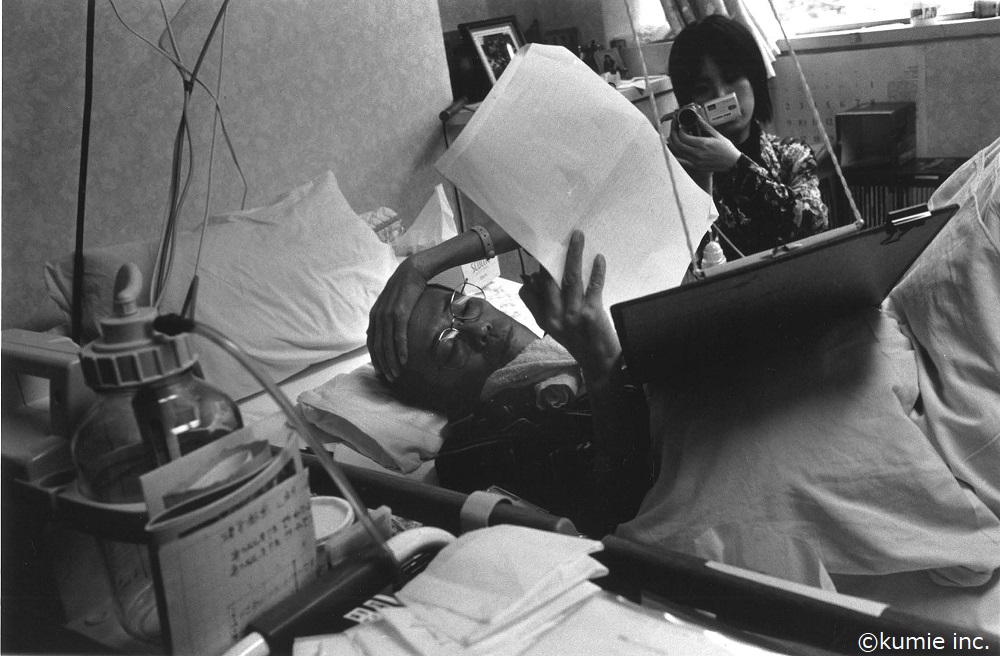
*: LETTER FROM A YELLOW CHERRY BLOSSOM,
追臆のダンス, 65 min, 2002
IX. Director: Naomi Kawase
Jan. 7, (Tue), 2020 3:00 PM
Jan. 11, (Sat), 2020 4:00 PM with guest talk
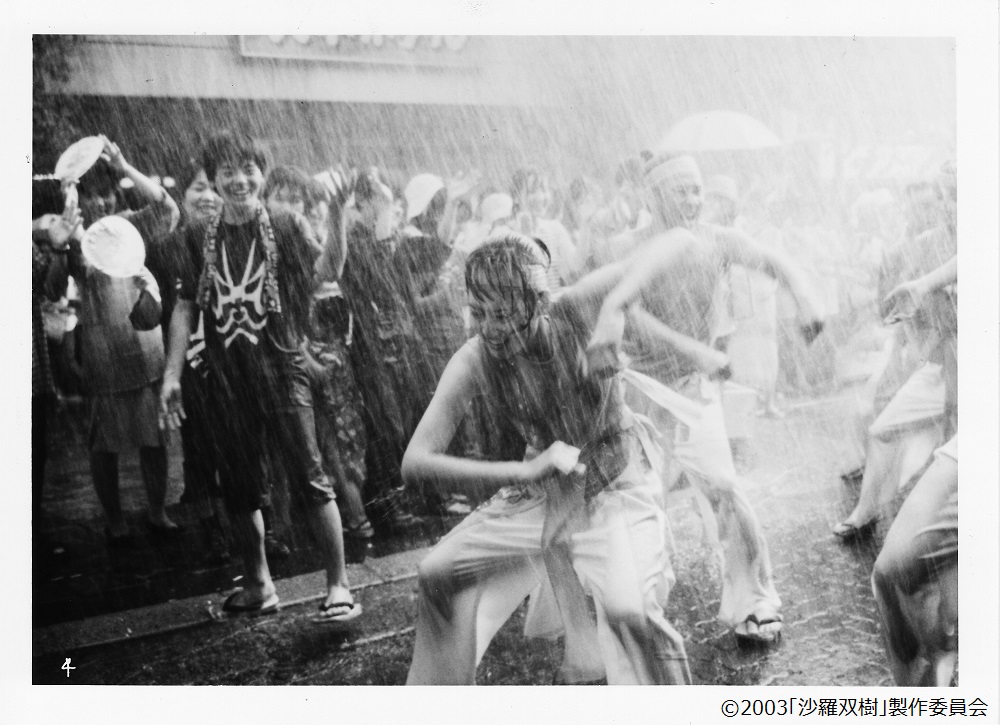
*: SHARA, 沙羅双樹(しゃらそうじゅ), 99 min, 2003
X. Director: Naomi Kawase
Jan. 8, (Wed), 2020 3:00 PM
Jan. 18, (Sat), 2020 12:00 PM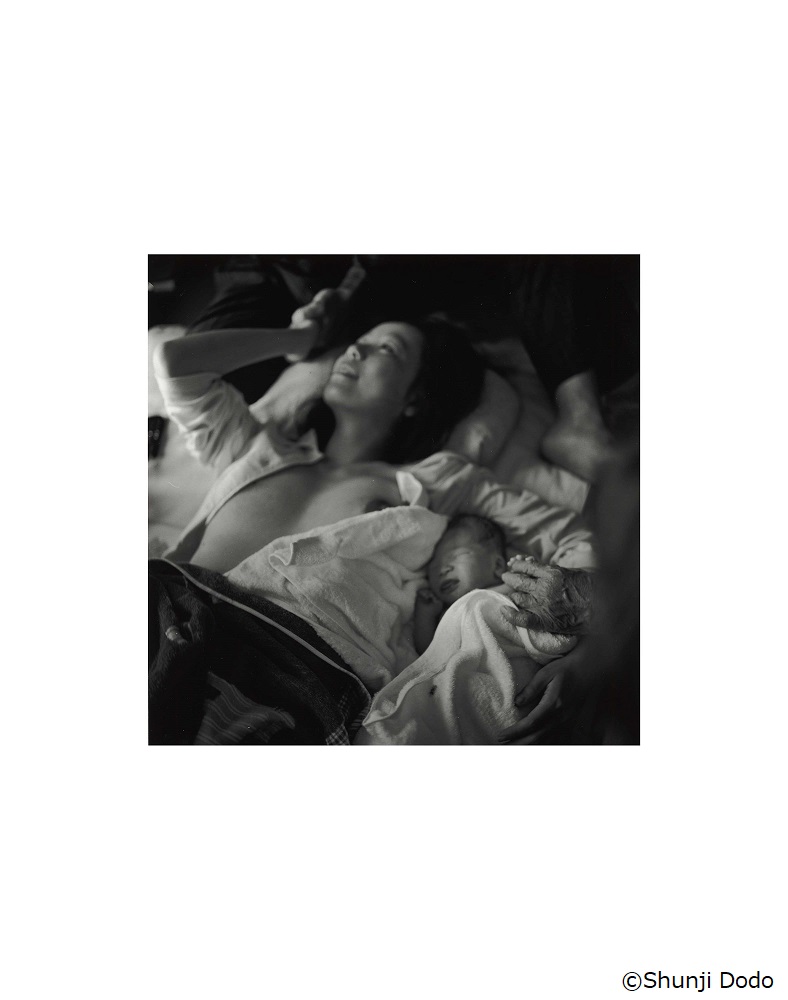
*: BIRTH/MOTHER, 垂乳女(たらちめ), 39 min, 2006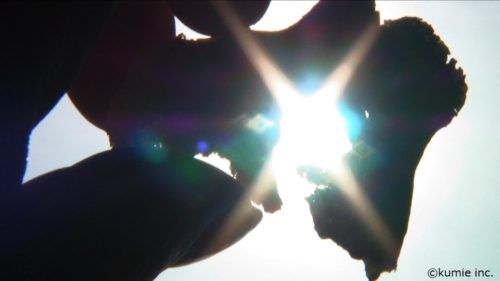
CHIRI, 塵, 45 min, 2012
XI. Director: Naomi Kawase
Jan. 7, (Tue), 2020 7:00 PM
Jan. 19, (Sun), 2020 4:00 PM with guest talk
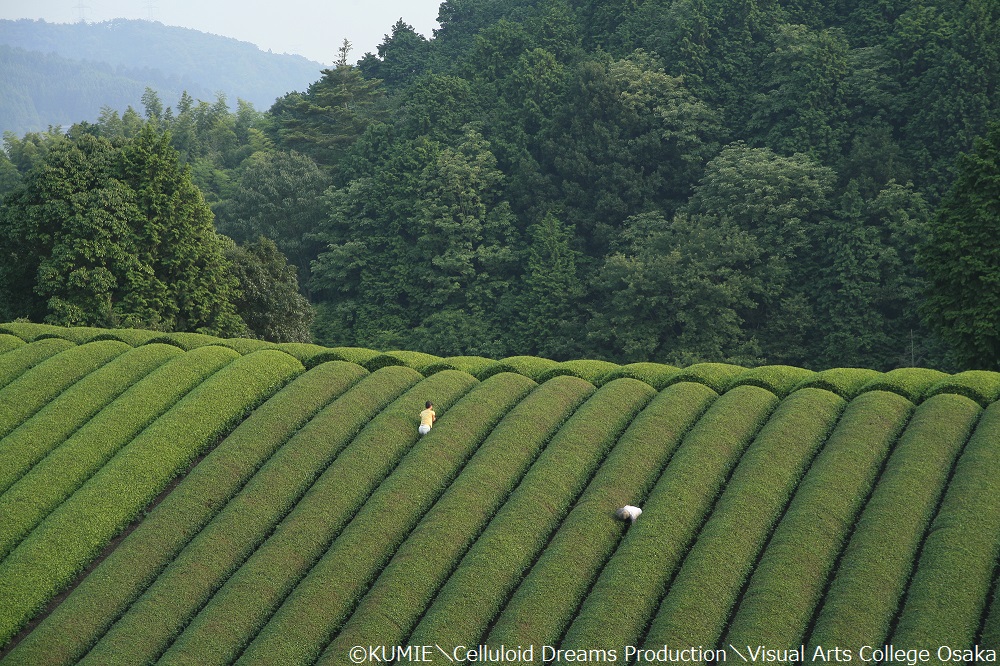
*: THE MOURNING FOREST, 殯(もがり)の森, 97 min, 2007
In 2007, Kawase’s fourth feature, The Mourning Forest (Mogari no Mori) received the Cannes Grand Prix. Machiko Ono stars as Machiko, a woman working as a caregiver at a local facility while still grieving for her dead child. She grows close to Shigeki (Shigeki Uda), who’s suffering from dementia, and winds up searching the local forest with him for something connected to his dead wife that he cannot explain.
XII. Director: Naomi Kawase
Jan. 8, (Wed), 2020 7:00 PM
Jan. 16, (Thu), 2020 3:00 PM
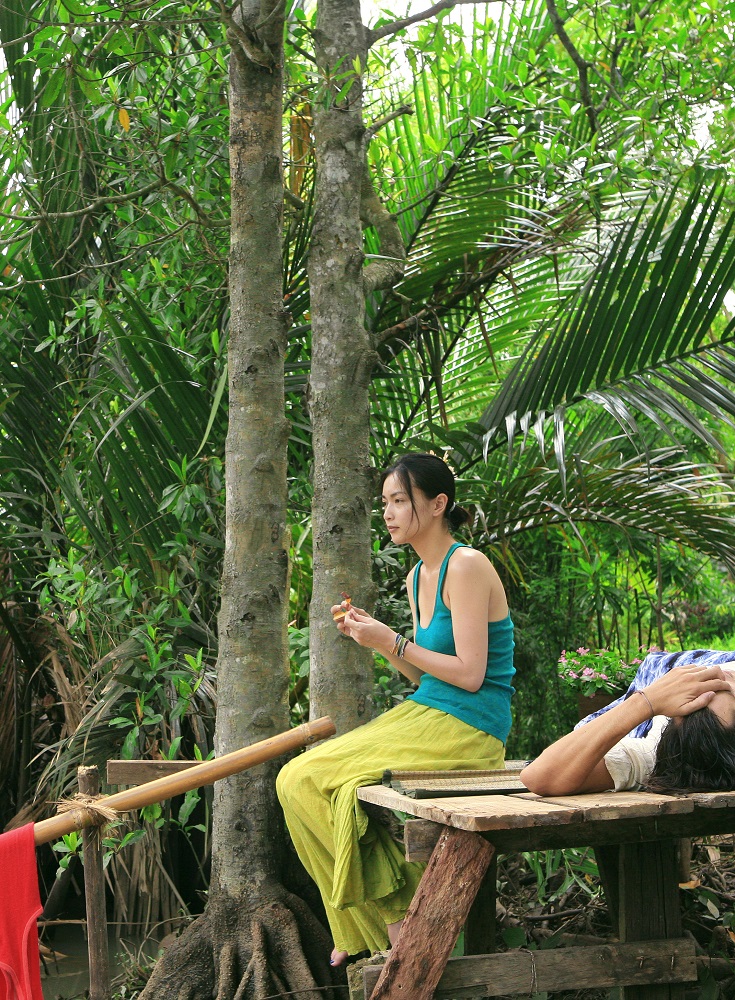
NANAYO, 七夜待(ななよまち), 90 min, 2008
XIII. Director: Naomi Kawase
Jan. 9, (Thu), 2020 3:00 PM
Jan. 19, (Sun), 2020 1:00 PM with guest talk
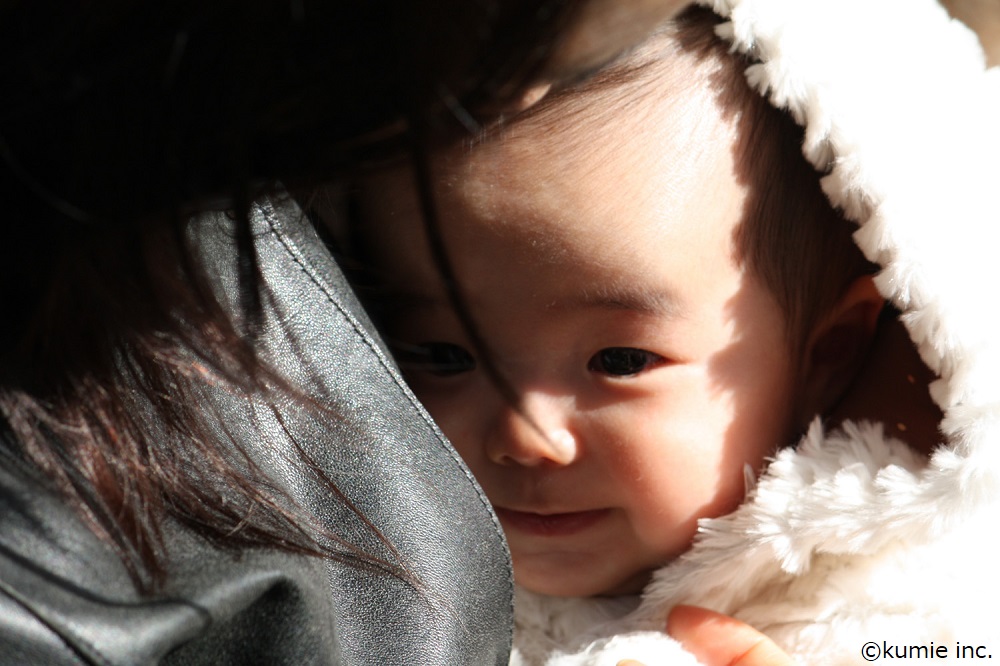
*: GENPIN, 玄牝―げんぴん―, 92 min, 2010
XIV. Director: Naomi Kawase
Jan. 9, (Thu), 2020 7:00 PM
Jan. 17, (Fri), 2020 3:00 PM
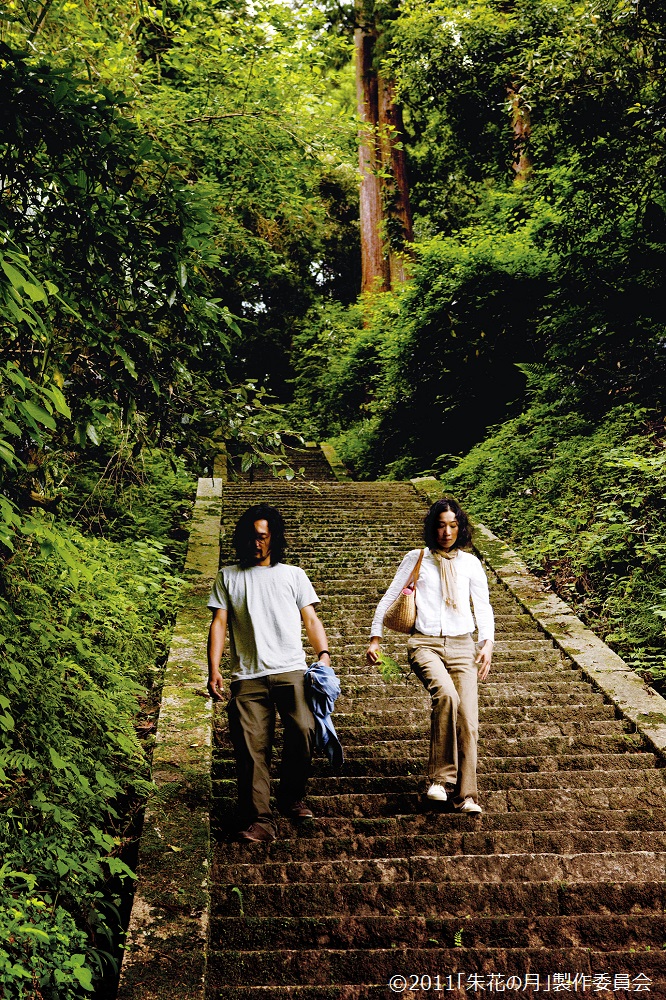
*: HANEZU, 朱花(はねづの)月, 91 min, 2011
Hanezu (Hanezu no Tsuki, 2011) delves deeply into Kawase’s concerns about the disappearance of local traditions and the transmission of family histories. Again shooting in the Nishi-yoshino region, the “birthplace” of Japan according to the film, Kawase traces the stories of Takumi and Kayo, who both create traditional crafts and are lovers dogged by the ghosts of the past. One day, Kayo discovers she’s pregnant, but she’s not thrilled by the news. The film premiered in competition at Cannes and is notable as Kawase’s first experience working with the great Kirin Kiki, who plays Takumi’s mother.
XV. Director: Naomi Kawase
Jan. 14, (Tue), 2020 7:00 PM with English and Chinese sub-titles
Jan. 18, (Sat), 2020 3:30 PM with English and Korean sub-titles
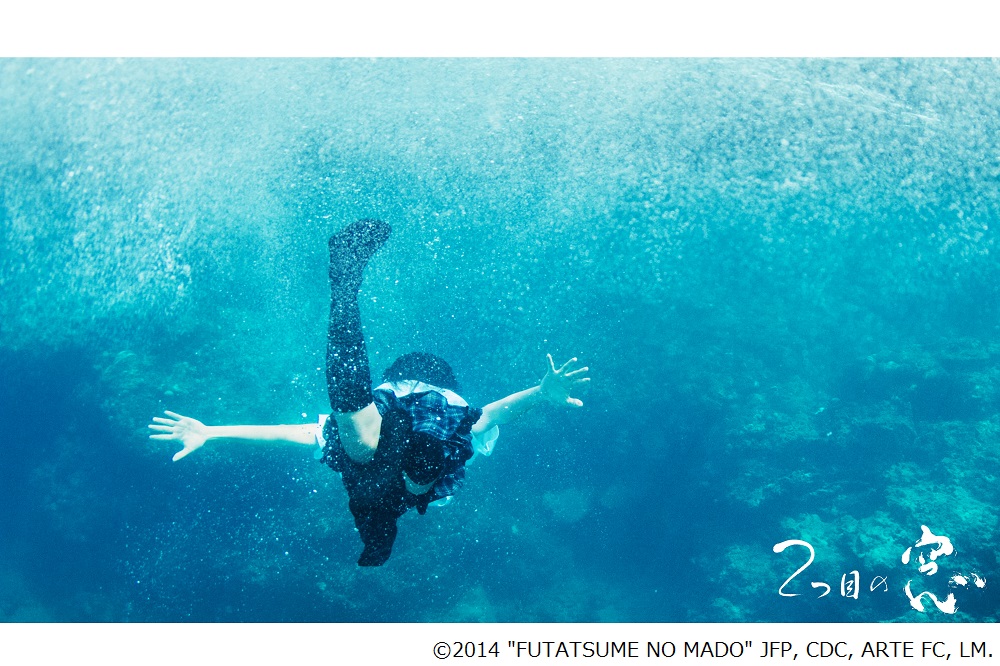
*: STILL THE WATER , 2つ目の窓, 120 min, 2014
A selection of the 2014 Cannes festival, Still the Water (Futatsume no Mado) is set on a rural island where nature-based traditions remain eternal and the presence of shamans is nothing unusual. Sixteen-year-old Kaito (Nijiro Murakami in his major debut) discovers a dead body floating in the sea and worries that his mom has something to do with it, while his girlfriend Kyoko (Jun Yoshinaga) grapples with her mother’s impending death — all this as their own sexual relationship is just beginning.
XVI. Director: Naomi Kawase
Dec. 25, (Wed), 2019 6:30 PM with guest talk
Jan. 14, (Tue), 2020 3:00 PM
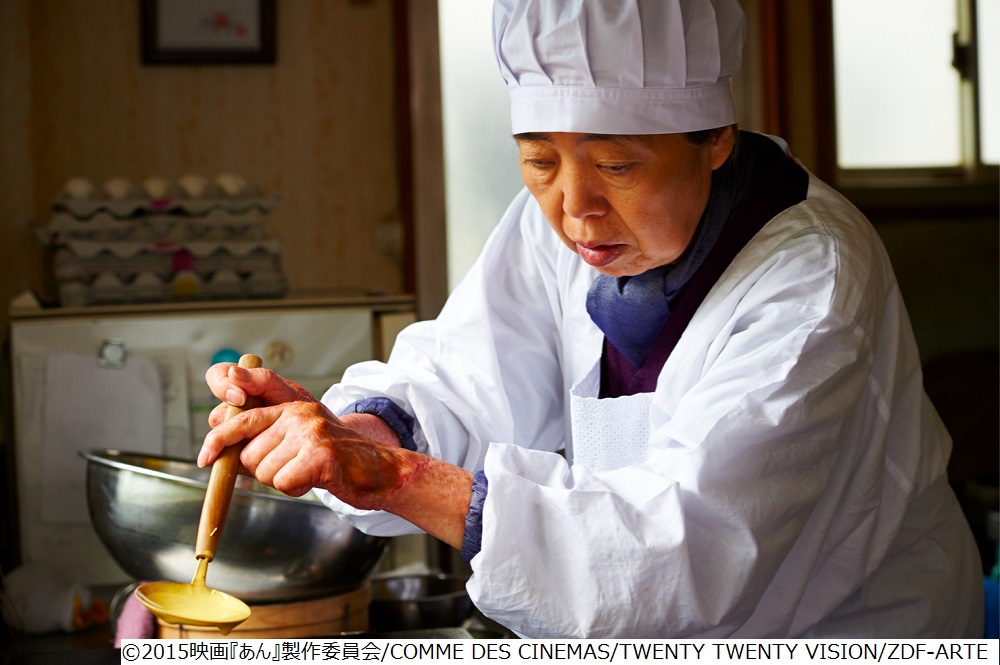
SWEET BEAN, あん, 113 min, 2015
Although there are no English subtitles, if you haven’t seen Kawase’s first commercial hit An/Sweet Bean (An, 2015), it’s fairly easy to grasp. In it, the lonely manager of a dorayaki street stall (Masatoshi Nagase, who would become a Kawase regular) meets an elderly woman (Kiki) who answers his ad for an assistant. A taste of her homemade sweet bean paste convinces him to hire her, and they develop a relationship that is about far more than just food.
XVII. Director: Naomi Kawase
Dec. 26, (Thu), 2019 7:00 PM
Jan. 12, (Sun), 2020 12:00 PM with guest talk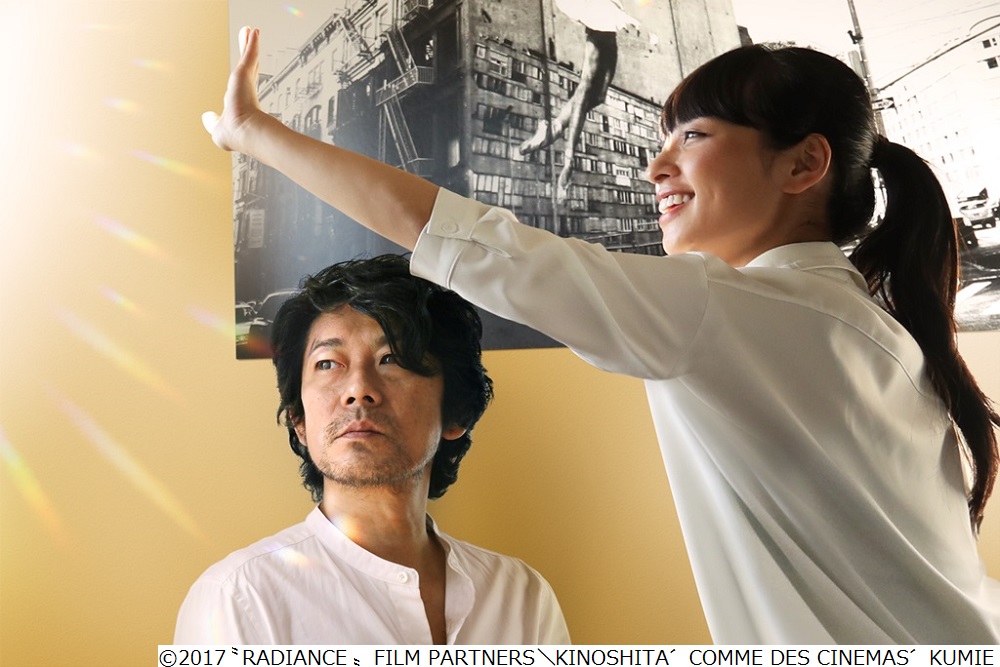
RADIANCE, 光, 101 min, 2017
Nagase also stars in the unsubtitled Radiance (Hikari), which played in the 2017 Cannes. Misako Ozaki (Misaki Ayame) writes audio commentary for visually impaired filmgoers, and at a focus group following a test screening session, a rude participant questions her competence. “It’s intrusive,” he barks, suggesting she’s robbing filmgoers of their own imaginations. He is Masaya Nakamori (Nagase) a famed photographer who has slowly been losing his sight. Fate will continue to bring the two together, and despite his abrasiveness, Misako will soon find that Nakamori is a kindred spirit.
XVIII. Director: Naomi Kawase
Dec. 27, (Fri), 2019 7:00 PM
Jan. 11, (Sat), 2020 12:30 PM with guest talk
*: VISION, Vision, 110 min, 2018
And Nagase also stars in Vision (2018), Kawase’s last narrative feature until the 2020 release of Comes Morning. His costar is the great Juliette Binoche, playing a French journalist on the trail of a rare herb that appears just once every 997 years in Japan. She visits Nara, where she encounters Nagase’s character, a mysterious mountain man who connects with her despite barriers of language and culture.
National Film Archive of Japan
NAOMI KAWASE RETROSPECTIVE
Japanese title: 映画監督 河瀬直美 (Eiga Kantoku Kawase Naomi)
Check the article and on the theater site for English subtitled Film schedule.
Venue: National Film Archive of Japan, Nagase Memorial Hall Ozu
Dates: December 24, 2019 - January 19, 2020
Official website: www.nfaj.go.jp/english/exhibition/essential201907/
Advance tickets: ¥520+¥110, http://bit.ly/2PJ0KdT
Please be sure to check with the theater before going.