
NARA INTERNATIONAL FILM FESTIVAL 2016

Ancient Capital, Global Views
Venue(s): Nara Machi Center, Hotel Sunroute Nara Obana-ZaSeptember 17 to September 22, 2016: http://nara-iff.jp/2016/en/schedule/
Language: Japanese with English subtitles
Official website: nara-iff.jp/2016/en/
Theater website: naramachi-center.org/
Tariff: Adults: Free to ¥1,800; Opening Ceremony: ¥5,000, etc.
Advance tickets: Adults: ¥1,000 to 1,500; Opening Ceremony: ¥4,500, etc.
Talk event: Talk event after most screenings
Title: なら国際映画祭 2016 (Nara Kokusai Eigasai 2016)
Film festival directors rarely receive the attention they deserve, although many of them have played a galvanizing role in their organizations. This could not be truer of Naomi Kawase, the much-awarded filmmaker who single-handedly, it seems, brought to life the Nara International Film Festival (NIFF) in Japan’s ancient capital (also her hometown).
Most of you have heard of Kawase, even if you haven’t had a chance to see her work. A few salient facts:
- She is the only Japanese director to be selected for Cannes 7 times
- She is the youngest winner of the Camera d’Or (Golden Camera) in 1997
- She is the only Japanese director to win the Carrosse d’Or (Golden Coach) Prize
- She is the recipient (in 2015) of the Chevalier de l'Ordre des Arts et des Lettres (Knight of the Order of Arts and Letters) from the French Ministry of Culture
As if being Japan’s only internationally recognized female auteur is not enough, Kawase decided to help “breathe new life through film” into the illustrious history of Nara by developing NIFF and continuing to serve as its executive director. This year’s edition, the 4th, anticipates an impressive tenfold increase in film screenings, guests and visitor attendance over the 2014 edition. Yet despite the festival’s rapid growth, Kawase is focused on “retain[ing] its homey and intimate atmosphere,” which is a sentiment suitable to the festival’s friendly environs, and an apt reaction to the giant, all-encompassing festivals that dominate the fall calendar.
Unlike many “international” festivals in Japan, NIFF maintains an intense devotion to presenting its lineup with both Japanese and English subtitles, so there are a wealth of features and short films to choose from — including many nonJapanese titles.
Among the Japanese highlights is a world premiere in the NARAtive section, a project that aims to connect Nara and the world by providing young filmmakers with an opportunity to create film in Nara. Previous NIFF Special Jury Prize winner Carlos M. Quintela will be presenting his The Wolves of the East, starring the great Tatsuya Fuji as an aging hunter in the mountains of Nara, stalking his final prize.
In the International Competition, Hiroshi Mikami and his jury will be considering eight films by first- or second-time directors, hailing from the US, Switzerland, Thailand, China, Germany, Iran and Japan. The NARA-wave Student Film Competition showcases the midlength-to-feature work of 11 young Japanese filmmakers (my favorite title: Chocolate Cake and Horyuji Temple).
There is a selection of short films from the Cannes Cinéfondation’s 2016 edition, none by Japanese directors. But in 2015, Kawase formed a partnership whereby award-winning student films from NIFF will be submitted to the Cinéfondation each year, so perhaps we’ll see Japanese work at the 5th NIFF.
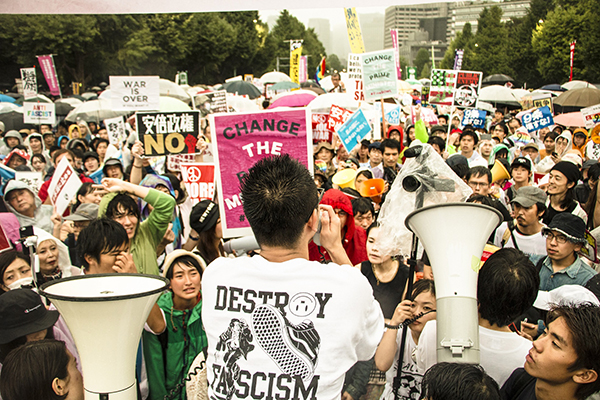
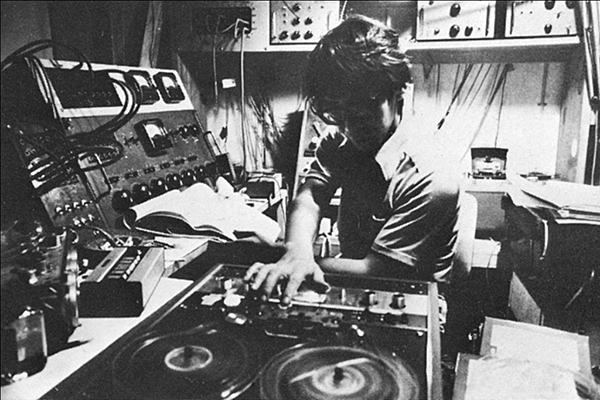
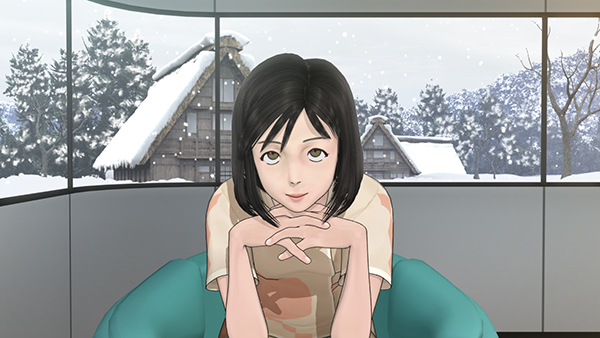
Over at the Sunroute Nara Hotel, there are screenings to commemorate its former life as the Obanaza, the first movie theater in Nara and longtime center of entertainment. Among a varied lineup are several Japanese titles, including the protest documentary About My Liberty: SEALDs 2015, as well as live performances. There is also a special screening of Alexei and the Spring (Seiichi Motohashi, 2002) as part of the celebration marking the 60th Kasuga Grand Shrine restoration, and an outdoor screening of Astro Boy: The Hero of Space (1964), featuring a talk with Mari Shimizu, Atom’s voice. And don’t miss the photo exhibition of Leslie Kee’s Out in Japan portraits, the first in a multiyear project aimed at “fostering an inclusive and accepting society for LGBTs in Japan.”
Finally, the Closing Night film will be the English-subbed Harmonium, Koji Fukada’s Cannes Un Certain Regard Jury Award-winner. A thrillingly dark portrait of the collapse of a fractured family following the arrival of an old acquaintance (played by star Tadanobu Asano with chilling politesse), who moves in and begins working in their small factory. An enigmatic, entirely engrossing work that probes undercurrents of surprising philosophical depth, Harmonium is a must-see.
NARA-wave @Nara Machi Center: Main Hall
A. PROGRAM
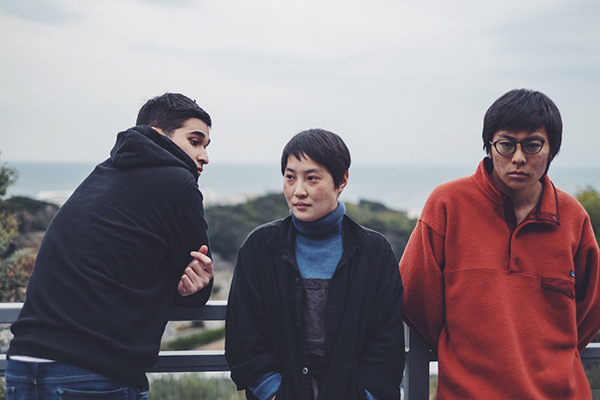

B. PROGRAM
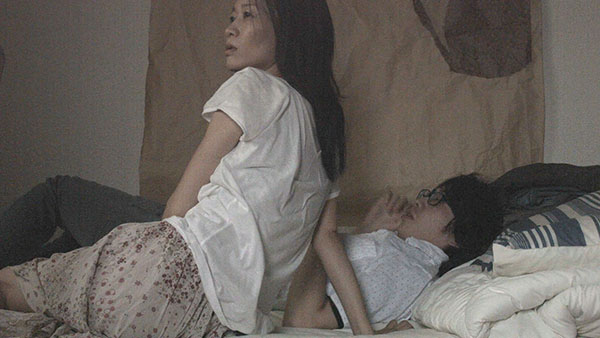

C. PROGRAM
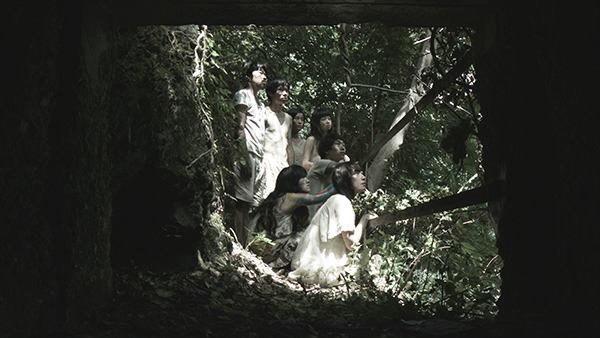
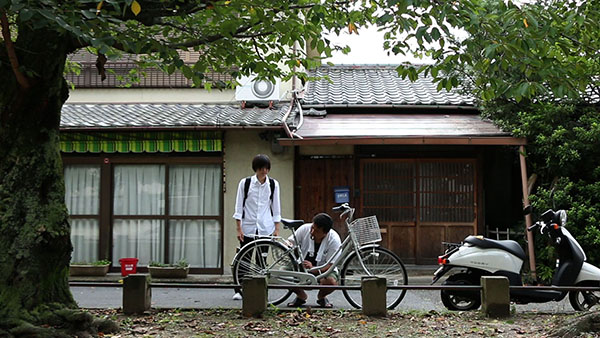
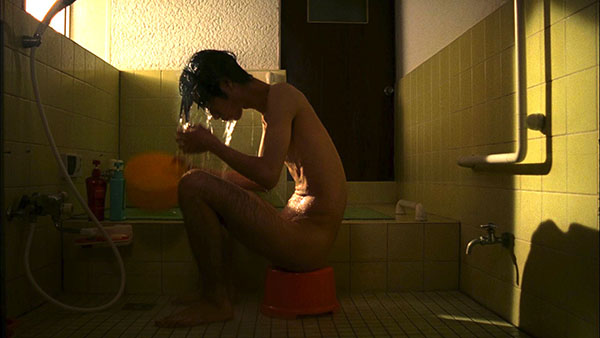
D. PROGRAM
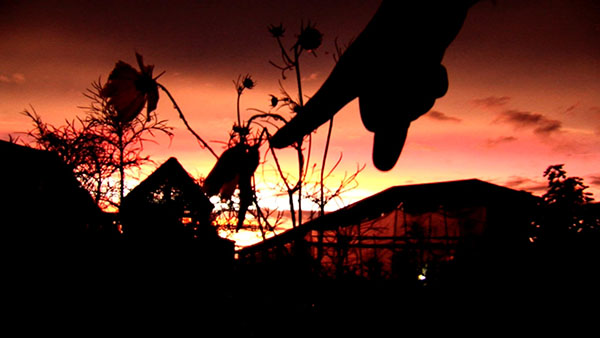
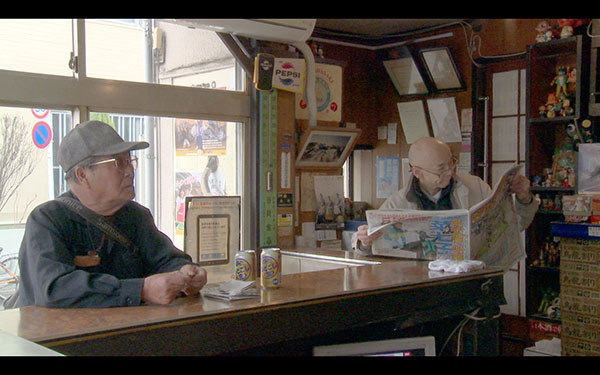
INVITATION FILMS @Nara Machi Center: 2F
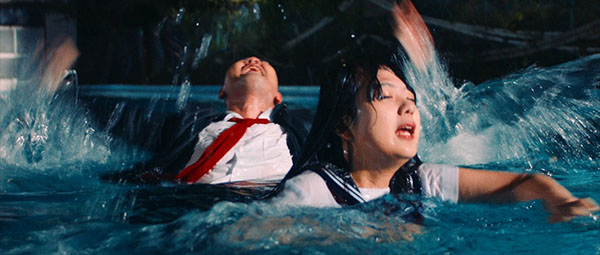
THE GIFT OF MEMORY (Charity) @Nara Machi Center: Main Hall
THE OLD OBANA-ZA CINEMA SCREENING @HOTEL SUNROUTE NARA Obana-za

CLOSING FILM @Nara Machi Center: Main Hall

NARA MACHI CENTER
HOTEL SUNROUTE NARA OBANA-ZA
Film festival directors rarely receive the attention they deserve, although many of them have played a galvanizing role in their organizations. This could not be truer of Naomi Kawase, the much-awarded filmmaker who single-handedly, it seems, brought to life the Nara International Film Festival (NIFF) in Japan’s ancient capital (also her hometown).
Most of you have heard of Kawase, even if you haven’t had a chance to see her work. A few salient facts:
- She is the only Japanese director to be selected for Cannes 7 times
- She is the youngest winner of the Camera d’Or (Golden Camera) in 1997
- She is the only Japanese director to win the Carrosse d’Or (Golden Coach) Prize
- She is the recipient (in 2015) of the Chevalier de l'Ordre des Arts et des Lettres (Knight of the Order of Arts and Letters) from the French Ministry of Culture
As if being Japan’s only internationally recognized female auteur is not enough, Kawase decided to help “breathe new life through film” into the illustrious history of Nara by developing NIFF and continuing to serve as its executive director. This year’s edition, the 4th, anticipates an impressive tenfold increase in film screenings, guests and visitor attendance over the 2014 edition. Yet despite the festival’s rapid growth, Kawase is focused on “retain[ing] its homey and intimate atmosphere,” which is a sentiment suitable to the festival’s friendly environs, and an apt reaction to the giant, all-encompassing festivals that dominate the fall calendar.
Unlike many “international” festivals in Japan, NIFF maintains an intense devotion to presenting its lineup with both Japanese and English subtitles, so there are a wealth of features and short films to choose from — including many nonJapanese titles.
Among the Japanese highlights is a world premiere in the NARAtive section, a project that aims to connect Nara and the world by providing young filmmakers with an opportunity to create film in Nara. Previous NIFF Special Jury Prize winner Carlos M. Quintela will be presenting his The Wolves of the East, starring the great Tatsuya Fuji as an aging hunter in the mountains of Nara, stalking his final prize.
In the International Competition, Hiroshi Mikami and his jury will be considering eight films by first- or second-time directors, hailing from the US, Switzerland, Thailand, China, Germany, Iran and Japan. The NARA-wave Student Film Competition showcases the midlength-to-feature work of 11 young Japanese filmmakers (my favorite title: Chocolate Cake and Horyuji Temple).
There is a selection of short films from the Cannes Cinéfondation’s 2016 edition, none by Japanese directors. But in 2015, Kawase formed a partnership whereby award-winning student films from NIFF will be submitted to the Cinéfondation each year, so perhaps we’ll see Japanese work at the 5th NIFF.
Over at the Sunroute Nara Hotel, there are screenings to commemorate its former life as the Obanaza, the first movie theater in Nara and longtime center of entertainment. Among a varied lineup are several Japanese titles, including the protest documentary About My Liberty: SEALDs 2015, as well as live performances. There is also a special screening of Alexei and the Spring (Seiichi Motohashi, 2002) as part of the celebration marking the 60th Kasuga Grand Shrine restoration, and an outdoor screening of Astro Boy: The Hero of Space (1964), featuring a talk with Mari Shimizu, Atom’s voice. And don’t miss the photo exhibition of Leslie Kee’s Out in Japan portraits, the first in a multiyear project aimed at “fostering an inclusive and accepting society for LGBTs in Japan.”
Finally, the Closing Night film will be the English-subbed Harmonium, Koji Fukada’s Cannes Un Certain Regard Jury Award-winner. A thrillingly dark portrait of the collapse of a fractured family following the arrival of an old acquaintance (played by star Tadanobu Asano with chilling politesse), who moves in and begins working in their small factory. An enigmatic, entirely engrossing work that probes undercurrents of surprising philosophical depth, Harmonium is a must-see.
NARA-wave @Nara Machi Center: Main Hall
A. PROGRAM
B. PROGRAM
C. PROGRAM
D. PROGRAM
INVITATION FILMS @Nara Machi Center: 2F
THE GIFT OF MEMORY (Charity) @Nara Machi Center: Main Hall
THE OLD OBANA-ZA CINEMA SCREENING @HOTEL SUNROUTE NARA Obana-za
CLOSING FILM @Nara Machi Center: Main Hall
NARA MACHI CENTER
HOTEL SUNROUTE NARA OBANA-ZA
Please be sure to check with the theater before going.