
NFAJ COLLECTION: AUTUMN 2021

Young Women with Minds of Their Own
Venue(s): National Film Archive of Japan, B1 theatreNov. 6, 7, 12, 19, 2021
Language: Two film on Nov. 6, 7, 12, 19 are with English subtitles
Official website: www.nfaj.go.jp/exhibition/nfaj-autumn202110/
Theater website: www.nfaj.go.jp/english/visit/access/
Tariff: General: ¥520, Student/Senior: ¥310
Advance tickets: ¥520+¥110 for service fee, buy advanced ticket at Pia site [P code: 551-687]
Title: NFAJ コレクション 2021 秋 (NFAJ Collection 2021 Aki)
The National Film Archive of Japan (NFAJ) is back with more must-see titles drawn from its vast holdings of some 80,000 films, ranging from classic to modern day and spanning all genres, including Japanese and foreign fiction, documentary, animation and experimental titles. The autumn NJAF Collection features two English-subbed films in the lineup, but as always, we encourage you to explore the full lineup, since it’s filled with unmissable gems.
Equinox Flower [彼岸花]
Nov. 7 (Sun) 12:00 PM
Nov. 12, 2021 (Fri) 12:30 PM
The digitally remastered 1958 Equinox Flower practically begs to be seen, since it’s Yasujiro Ozu’s first color film, and the hues he achieved using Agfa film (which he supposedly chose over the brighter Fuji or Kodak for its sober reds) would later become known as “Ozu color.”
In what the director termed a “sparkling comedy,” stalwart Chishu Ryu appears as an old schoolmate of Hirayama (Shin Saburi), a wealthy businessman, whom he asks to intervene on his behalf with his daughter Fumiko (Yoshiko Kuga), who’s now working in a bar after her father refused to allow her to marry the man she loves, rather than consenting to an arranged marriage.
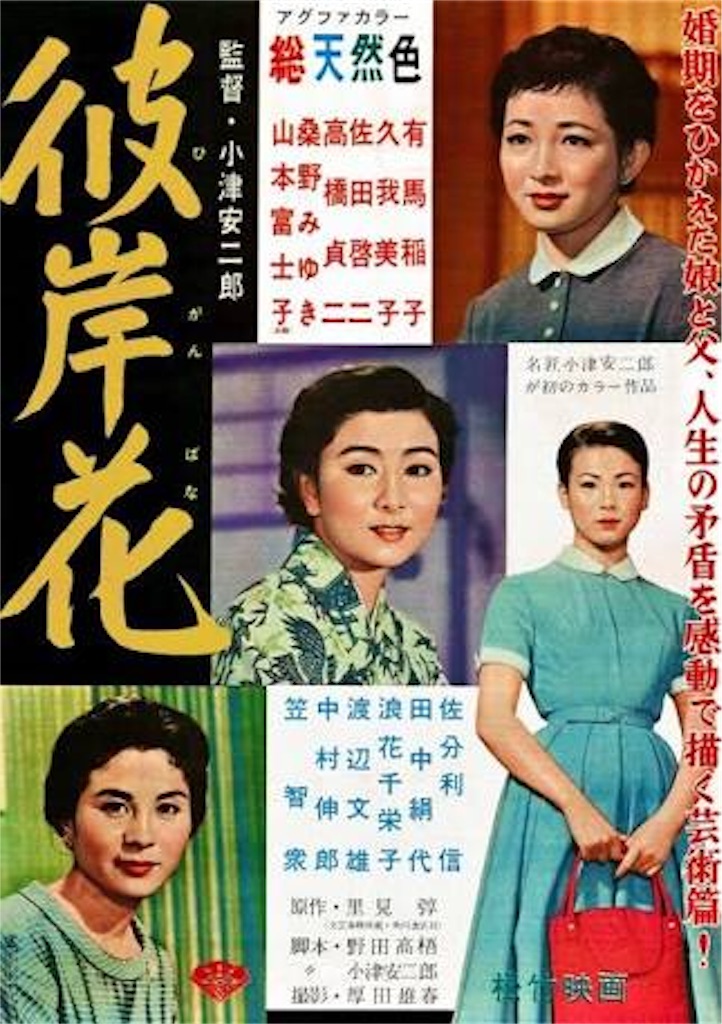
Equinox Flower 彼岸花 [digitally remastered]
118 min, color
Hirayama professes to find the modern way admirable until his own daughter, Setsuko (Ineko Arima), makes wedding plans with Masahiro (Keiji Sada) before receiving his seal of approval. Setsuko’s friend Yukiko (Fujiko Yamamoto) tries to trick Hirayama into giving his permission by concocting a situation similar to the one he’d had supported earlier, but the man is not to be dissuaded. Even Hirayama's wife Kiyoko (the great Kinuyo Tanaka) finds him hypocritical and his ways old-fashioned. (During a wedding speech, he actually calls their marriage “prosaic and unromantic.”)
Equinox Flower is Ozu and Kogo Noda’s adaptation of a story by his favorite author, Satomi Ton, with familiar themes of father-daughter and intergenerational dissimilitude. And while he hadn’t intended to shoot in color, Shochiku had borrowed Daiei star Yamamoto Fujiko (the incarnation of Japanese beauty at the time), and the company president himself is said to have made the request of Ozu.
Only On Mondays [月曜日のユカ]
Nov. 6, 2021 (Sat) 1:00 PM
Nov. 19, 2021 (Fri) 4:00 PM
Set in the glittering 1960s nightclubs of Yokohama and released the year of the first Tokyo Olympics, Ko Nakahira’s stylish Only on Mondays earned a reputation for being the “most French” of Japan’s homegrown Nouvelle Vague films. Frothy as champagne, it tells the story of Yuka (Mariko Kaga, in an enchanting performance), a modern, sexually assertive young woman who enjoys men as much as they enjoy her, and doesn’t mind making a living off them.
The film opens with a unique introduction to the port city south of Tokyo, with voices in three languages discussing its charms. “Yokohama is the main gateway to Japan,” says the first. Then, as the camera zooms across the waters, “The women there are wonderful. They are kind and charming. It’s like paradise for sailors.” The camera stops at a rocky shoreline, where a man and woman stand up hastily as a ship pulls in: “Hurry up! Let’s get to work!” the woman says.
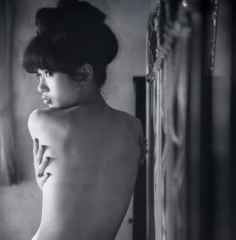
Only on Mondays, 月曜日のユカ
93 min, 1964, Black and white
Only on Mondays follows Yuka through her various entanglements with the many men in her life, including her boyfriend Osamu (Akira Nakao) and her sugar daddy, “Papa” (Takeshi Kato). She seems to innately know what they expect and always aims to please. So when Papa needs her to sleep with a foreign business executive to help him close an important deal, Yuka doesn’t resist. But all good things must come to an end, and thankfully, this one isn’t tragic.
Ko Nakahira directed his most famous film, Crazed Fruit, nearly 10 years earlier, but his experiments with cinematic form are displayed to positive effect here, with framing, camerawork and editing that feels fresh and innovative even today. In the latter half of the 60s, Nakahira began working in Hong Kong, where he directed films for the Shaw Brothers Studio.
National Film Archive of Japan
Please be sure to check with the theater before going.