
PASSAGE OF LIFE
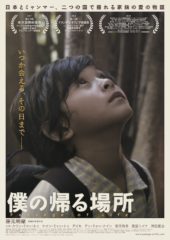
Japan-Myanmar Coproduction Illuminates the Lives of Immigrants
Venue(s): Jack and BettyDecember 8 (Sat) - December 21 (Fri)
Language: In Japanese, Burmese with English and Japanese subtitles
Official website: passage-of-life.com/englishpage/
Theater website: www.jackandbetty.net/access.html
Trailer: https://youtu.be/YH1YMpEjFjE
Tariff: General: ¥1,700, University students/Senior: ¥1,200, Handicapped/Students (Junior-high/High school): ¥1,000, Elementary: ¥700
Advance tickets: ¥1,300: https://t.pia.jp/pia/ticketInformation.do?eventCd=1841582&rlsCd=001&lotRlsCd=
Title: 僕の帰る場所 (Boku no Kaeru Basho)
Director: Akio Fujimoto (藤元明緒)
Duration: 98 min
This double winner at the 2017 Tokyo International Film Festival earns points not only for its engagement with important social issues, but also for its empathetic depiction of an immigrant family faced with impossible choices. (And let’s not downplay the exceptional performances of the two kids who anchor the tale.)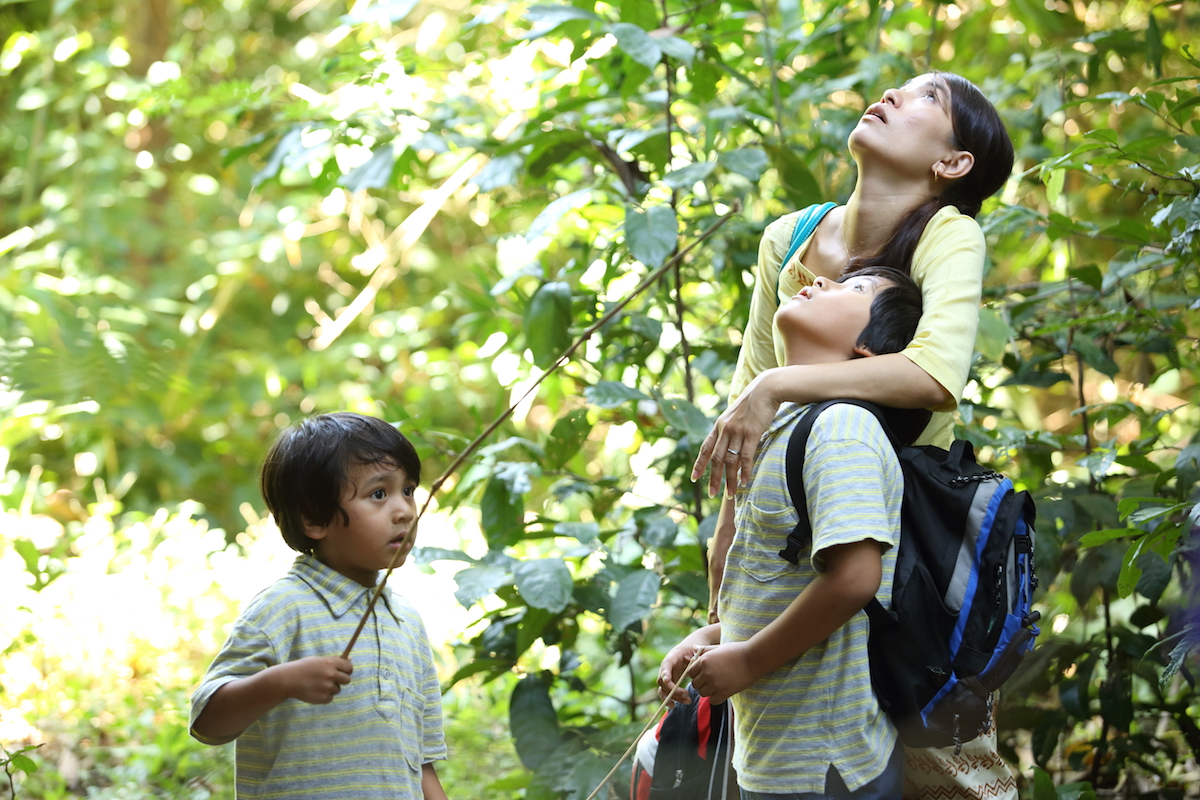
Passage of Life is the remarkable feature debut of Akio Fujimoto, who was inspired to tell the family’s story after meeting members of the Burmese community in Takadanobaba, and hearing of similar tribulations. With assistance from the Japan-Myanmar Media and Culture Association, he shot the film in 2014 with a tiny crew and a cast of unknowns, both Japanese and Burmese, and then subjected his footage to a lengthy editing process.
The film would go on to win the Spirit of Asia Award and the Best Asian Future Film Award at TIFF — the first time a Japanese director had nabbed both prizes — and to become an award-winner on the international festival circuit, where it’s spent the last year.
Told with unusual poignancy and feeling very much like a documentary, Passage of Life focuses on a man (Issace) and his wife Khin (Khin Myat Thu), who came to Japan without visas, as many others began doing in the wake of the 8888 Uprising (1988 pro-democracy demonstrations) in Myanmar.
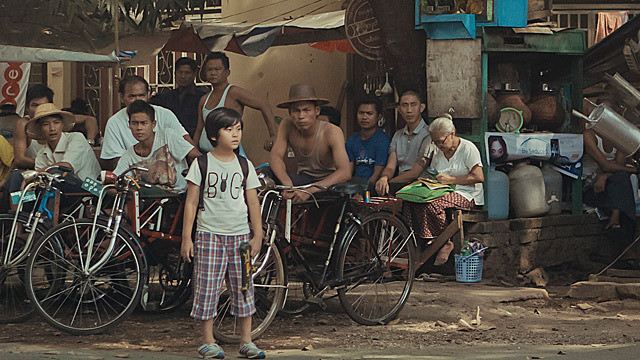 Arriving in Tokyo after their two sons, Kuang (Kaung Myat Thu) and Htet (Htet Myat Naing) were born, the parents find illegal work and create a happy life with their boys — although Kuang, now 7, and Htet, 4, believe they are Japanese and have the attitudes to go with it (“Idiot!” yells Kuang at his mother when he doesn’t want to do what he’s told).
After several years of residency, Issace files papers explaining they left their country because “it was no longer safe,” and requests political refugee status. But the request is denied, as happens all too frequently in Japan (which accepts only a handful of refugees each year). Then one night, Immigration shows up at the door and warns Issace to stop working. His wife Khin (Khin Myat Thu) pleads with him to leave: “We can’t be safe, not even in our own home. We’re trembling in fear. What will we do if we’re turned down again?”
The only answer is to leave before one of them winds up in detention, and it’s a plight faced by all too many immigrants all over the world today. But that doesn’t make it any less heartrending when a decision is reached, temporary as it may be. Surprisingly, there are some unexpected pluses…
Pole-Pole Higashi Nakano
Photos: ©E.x.N
Please be sure to check with the theater before going.