
SHORT SHORTS FILM FESTIVAL & ASIA 2017

Brief but Brilliant
Venue(s): Andaz, Ebisu act*square, Hikarie Hall A, iTSCOM, LaForet Harajuku, Space O Harajuku, and Brillia YokohamaJune 1 (Thu), 2017 to June 25 (Sun), 2017
Language: Multilanguages, all with English subs
Official website: shortshorts.org/2017/index-en.php
Theater website: http://shortshorts.org/2017/en/access/
Tariff: Free to ¥2,500
Advance tickets: Visit ticket sales site: http://shortshorts.org/2017/en/ticket/
Talk event: Many — visit the official site for details
Title: ショートショート フィルムフェスティバル & アジア 2017 (SHORT SHORTS FILM FESTIVAL & ASIA 2017)
It’s that time again: The sprawling 19th edition of Short Shorts Film Festival & Asia opens on June 1 and screens across Tokyo and Yokohama until June 25 (nearly a month — no excuse for not going!) at spacious venues in Harajuku, Omotesando, Toranomon, Ebisu and Futako Tamagawa, as well as the fest’s own Brillia Short Shorts Theatre. Nearly all events are absolutely free, as long as you reserve in advance on Peatix (or try your luck with waiting lines).
This year’s SSFF&A theme is CinemaTIC! CinemaTEC!, highlighting the constant advancements in digital technology and their impact on cinema culture (ie., filmmaking and viewing, and everything in between).
As everyone now knows, short films are an art form unto themselves, and the major calling card for young filmmakers trying to break into the big time. They’re also increasingly a way for established directors to keep their hand in, to flex creative muscles in a short format. In these days of outrageously long features, there is nothing quite as satisfying as watching a 3 to 25-minute work and longing for it to continue when it ends.
Another joy: binge watching. SSFF&A is the ticket.

Asia’s largest shorts festival will screen 250 short films (culled from a staggering 9,000 films from over 140 countries and regions), with three official competition sections — International, Japan and Asia International — and many awards, including the newly minted Shibuya Diversity Award for the film that best promotes diversity and “spreads the basic concept of Shibuya: turning differences into strengths.”
The festival’s Grand Prix winner is automatically eligible for an Academy Award® nomination at next year’s Oscars. Last year’s winner, Kristof Deak’s Sing, went on to win the Best Live Action Short Oscar earlier this year, marking the first SSFF&A winner to do so. Sing will be screened again this year, in the Academy Award section.
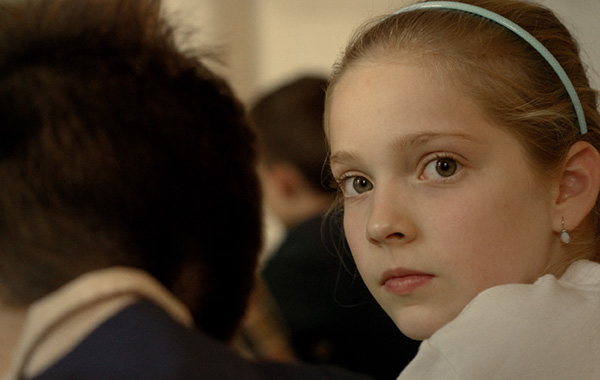
The fest will feature 15 special program lineups with selections from the Cannes Film Festival, the Edinburgh, Kaohsiung and Asiana festivals; and a focus on Denmark. There are also sections devoted to regional filmmaking in Japan and on films that promote tourism, in the run-up to the Tokyo 2020 Olympics.
SSFF&A founding director Tetsuya Bessho continues to commission work (and sometimes participate himself) from known and unknown directors, and this year the fest will world-premiere a special project called Cinema Fighters, a 6-film collaborative effort between Short Shorts and LDH Japan, produced by Exile Hiro (also LDH head) and featuring performers from the supergroup Exile Tribe. (Some of these gents can currently be seen in theaters across Japan in Tatara Samurai, which marks Hiro’s debut at producing feature-length films.)
The Cinema Fighters spotlight is sure to shine brightest for Parallel World, from Cannes habitué Naomi Kawase. Her short stars Anna Ishii (Tatara Samurai, Solomon’s Perjury) and Takayuki Yamada (The Devil’s Path, Mole Song: Undercover Agent Reiji) in a tale of lost love, teen innocence and time travel. The film features Sandaime J Soul Brothers’ “Unfair World.”


But don’t miss at least two other works in this section: Snowman, by Kentaro Hagiwara, the first Japanese to win the Sundance NHK Award (in 2013), and whose hotly anticipated first feature, Tokyo Ghoul, opens in late July; and Swan Song by Ken Ochiai, whose shorts have snagged multiple awards at SSFF&A in the past, and whose 2014 Uzumasa Limelight won many international awards. His Vietnam-set Saigon Bodyguards should open here later this year.
The Asia International & Japan sections are filled with Japanese titles. Don’t miss Oscar-nominated animator Koji Yamamura’s Satie’s Parade, set to the composer’s music; Taishi Shiode’s Ms. Strangedisposition or: How I Desire to Be Rich, winner of the festival’s 2nd Book Short Award; Hiroyuki Shintani’s Johnny’s Day Off, made under the government-sponsored New Directions in Japanese Cinema program: Yukotopia, by Daigo Matsui (Afro Tanaka, Japanese Girls Never Die); and Makoto Nagahisa’s And so we put goldfish in the pool, winner of the Sundance Short Film Grand Jury Prize in January.


Highlights of the CG Animation Programs include Ylion and Callysia by Takashi Nakamura (director of A Tree of Palme and the animation director of Akira) Keisuke Nakazato’s Sushido, featuring the world’s fastest sushi chef, an omnivorous OL and conveyor belt mayhem; and the marvelous, wordless Gokurosama, set in a Japanese shopping mall, but directed by a team of six French animators.


In the Cinematic Tokyo Program, look for Tokyo Gigantic Girls (‘nuff said) by award-winning director-animator Hiroaki Matsu; Tokyo Ondo: Beats and Temperatures by music video veteran Shuichi Bamba; and the cleverly shot, multilingual Home Away from Home by Yukinori Makabe, who’s won past SSFF&A awards, and made his feature debut with I Am a Monk in 2015.

As always, there are seminars and other related events throughout the month, all yours if you just take the time to book them.
Andaz
Ebisu act*square
Hikarie Hall A
iTSCOM
LaForet Harajuku
Space O Omotesando
Brillia Yokohama
It’s that time again: The sprawling 19th edition of Short Shorts Film Festival & Asia opens on June 1 and screens across Tokyo and Yokohama until June 25 (nearly a month — no excuse for not going!) at spacious venues in Harajuku, Omotesando, Toranomon, Ebisu and Futako Tamagawa, as well as the fest’s own Brillia Short Shorts Theatre. Nearly all events are absolutely free, as long as you reserve in advance on Peatix (or try your luck with waiting lines).
This year’s SSFF&A theme is CinemaTIC! CinemaTEC!, highlighting the constant advancements in digital technology and their impact on cinema culture (ie., filmmaking and viewing, and everything in between).
As everyone now knows, short films are an art form unto themselves, and the major calling card for young filmmakers trying to break into the big time. They’re also increasingly a way for established directors to keep their hand in, to flex creative muscles in a short format. In these days of outrageously long features, there is nothing quite as satisfying as watching a 3 to 25-minute work and longing for it to continue when it ends.
Another joy: binge watching. SSFF&A is the ticket.
Asia’s largest shorts festival will screen 250 short films (culled from a staggering 9,000 films from over 140 countries and regions), with three official competition sections — International, Japan and Asia International — and many awards, including the newly minted Shibuya Diversity Award for the film that best promotes diversity and “spreads the basic concept of Shibuya: turning differences into strengths.”
The festival’s Grand Prix winner is automatically eligible for an Academy Award® nomination at next year’s Oscars. Last year’s winner, Kristof Deak’s Sing, went on to win the Best Live Action Short Oscar earlier this year, marking the first SSFF&A winner to do so. Sing will be screened again this year, in the Academy Award section.
The fest will feature 15 special program lineups with selections from the Cannes Film Festival, the Edinburgh, Kaohsiung and Asiana festivals; and a focus on Denmark. There are also sections devoted to regional filmmaking in Japan and on films that promote tourism, in the run-up to the Tokyo 2020 Olympics.
SSFF&A founding director Tetsuya Bessho continues to commission work (and sometimes participate himself) from known and unknown directors, and this year the fest will world-premiere a special project called Cinema Fighters, a 6-film collaborative effort between Short Shorts and LDH Japan, produced by Exile Hiro (also LDH head) and featuring performers from the supergroup Exile Tribe. (Some of these gents can currently be seen in theaters across Japan in Tatara Samurai, which marks Hiro’s debut at producing feature-length films.)
The Cinema Fighters spotlight is sure to shine brightest for Parallel World, from Cannes habitué Naomi Kawase. Her short stars Anna Ishii (Tatara Samurai, Solomon’s Perjury) and Takayuki Yamada (The Devil’s Path, Mole Song: Undercover Agent Reiji) in a tale of lost love, teen innocence and time travel. The film features Sandaime J Soul Brothers’ “Unfair World.”
But don’t miss at least two other works in this section: Snowman, by Kentaro Hagiwara, the first Japanese to win the Sundance NHK Award (in 2013), and whose hotly anticipated first feature, Tokyo Ghoul, opens in late July; and Swan Song by Ken Ochiai, whose shorts have snagged multiple awards at SSFF&A in the past, and whose 2014 Uzumasa Limelight won many international awards. His Vietnam-set Saigon Bodyguards should open here later this year.
The Asia International & Japan sections are filled with Japanese titles. Don’t miss Oscar-nominated animator Koji Yamamura’s Satie’s Parade, set to the composer’s music; Taishi Shiode’s Ms. Strangedisposition or: How I Desire to Be Rich, winner of the festival’s 2nd Book Short Award; Hiroyuki Shintani’s Johnny’s Day Off, made under the government-sponsored New Directions in Japanese Cinema program: Yukotopia, by Daigo Matsui (Afro Tanaka, Japanese Girls Never Die); and Makoto Nagahisa’s And so we put goldfish in the pool, winner of the Sundance Short Film Grand Jury Prize in January.
Highlights of the CG Animation Programs include Ylion and Callysia by Takashi Nakamura (director of A Tree of Palme and the animation director of Akira) Keisuke Nakazato’s Sushido, featuring the world’s fastest sushi chef, an omnivorous OL and conveyor belt mayhem; and the marvelous, wordless Gokurosama, set in a Japanese shopping mall, but directed by a team of six French animators.
In the Cinematic Tokyo Program, look for Tokyo Gigantic Girls (‘nuff said) by award-winning director-animator Hiroaki Matsu; Tokyo Ondo: Beats and Temperatures by music video veteran Shuichi Bamba; and the cleverly shot, multilingual Home Away from Home by Yukinori Makabe, who’s won past SSFF&A awards, and made his feature debut with I Am a Monk in 2015.
As always, there are seminars and other related events throughout the month, all yours if you just take the time to book them.
Andaz
Ebisu act*square
Hikarie Hall A
iTSCOM
LaForet Harajuku
Space O Omotesando
Brillia Yokohama
Please be sure to check with the theater before going.