
YASUJIRO OZU SPECIAL
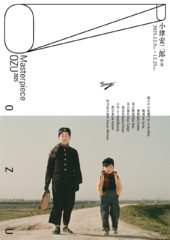
Postwar Masterworks to Revisit
Venue(s): StrangerFrom December 8 (Fri), 2025 to December 25 (Thu), 2025
Language: Japanese with English subtitles
Official website: bit.ly/4pbj3XI
Theater website: stranger.jp/address
Tariff: ¥1,600
Advance tickets: stranger.jp/?anchor=screen
Title: 小津安二郎特集 (Ozu Yasujiro Tokushu)
Director: Yasujiro Ozu (小津安二郎)
For three weeks, the tiny but creative arthouse cinema and café on Tokyo’s eastern outskirts, Theater Stranger, is paying tribute to one of cinema’s greatest poets: Yasujiro Ozu. All the works are screening with English subtitles, so here’s your chance to catch up on the maestro’s postwar masterworks in a theatrical setting.
From the raw emotions of A Hen in the Wind to the fading light of An Autumn Afternoon, this curated retrospective traces Ozu’s complete emotional arc—his serene minimalism, piercing empathy, and unmatched ability to make a domestic moment feel as vast as the world itself—presenting nine pillars of Ozu’s legacy, from early postwar despair to the refined autumnal masterpieces of his final years.
FEATURED FILMS
A Hen in the Wind — 風の中の雌雛 (1948)

Late Spring — 晩春 (1949)
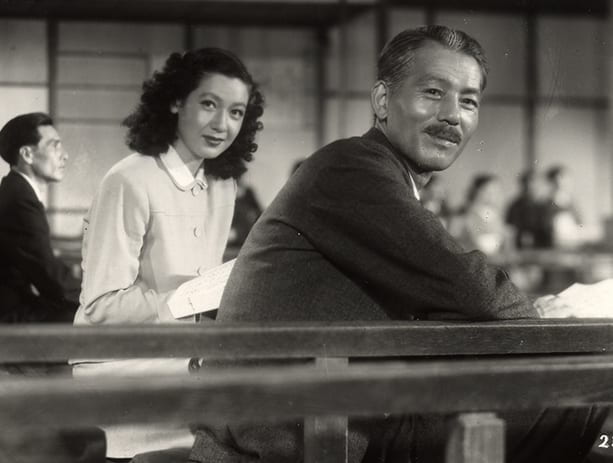
Early Summer — 麥秋 (1951)
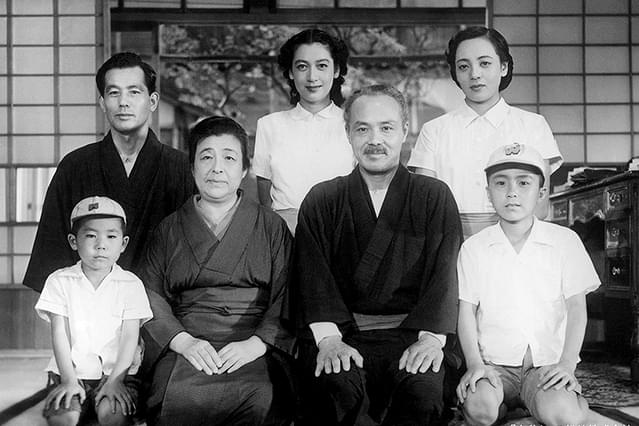
The second entry in the Noriko trilogy captures the dizzying tensions of postwar upward mobility. When 28-year-old Noriko (Setsuko Hara) unexpectedly chooses her own marriage partner, her family drifts into stunned disbelief. Set around tatami rooms and seaside picnics, the film explores the invisible pressure of family expectations—an intricate web of good intentions, quiet resistance, and the gently progressive heartbeat beneath Ozu’s deceptively simple frames.
Tokyo Story — 東京物語 (1953)
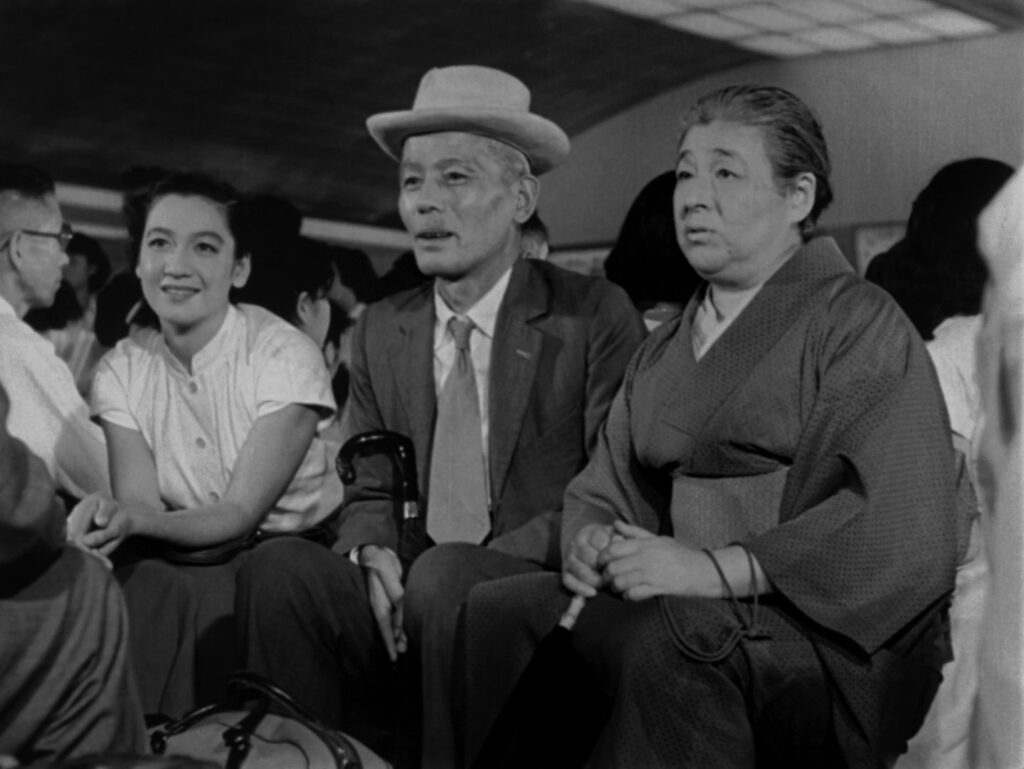
Often cited as one of the greatest films ever made, this follows an elderly couple as they travel from Onomichi, near Hiroshima, to Tokyo, hoping to reconnect with their adult children, who are too busy to truly see them. Only a widowed daughter-in-law offers real kindness. With its still camera and impossible compassion, Tokyo Story is the moment Ozu transforms familial disappointment into pure human truth.
Tokyo Twilight — 東京暮色 (1957)

One of Ozu’s darkest works, this winter tale is set in wind-bitten Tokyo alleys and smoky bars, as it follows two sisters (Ineko Arima and Setsuko Hara) dealing with abandonment and the unbearable silence of family secrets. The last film he shot in monochrome, Tokyo Twilight is a rare Ozu without consolation—its emotional honesty foreshadowing work to come.
Equinox Flower — 彼岸花 (1958)
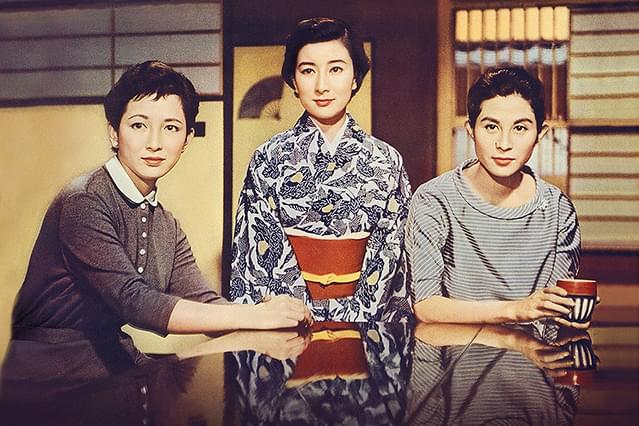
Ozu’s first color feature glows with autumnal reds and pale interiors. A stubborn father opposes his daughter’s secret engagement, insisting on the arranged marriage tradition he himself rejected. With its immaculate framing, Equinox Flower reveals Ozu’s late-career mastery of elegant restraint, catching emotional upheaval in the smallest gesture.
Good Morning — お早よう (1959)

A comic suburban jewel set among small houses and nosy neighbors, Good Morning follows two mischievous boys who go on a speech strike after their parents refuse to buy a television. What begins as a childish protest turns into a miniature study of gossip, etiquette, and the absurdities of “polite” society. Ozu’s bright use of color turns everyday mischief into universal satire.
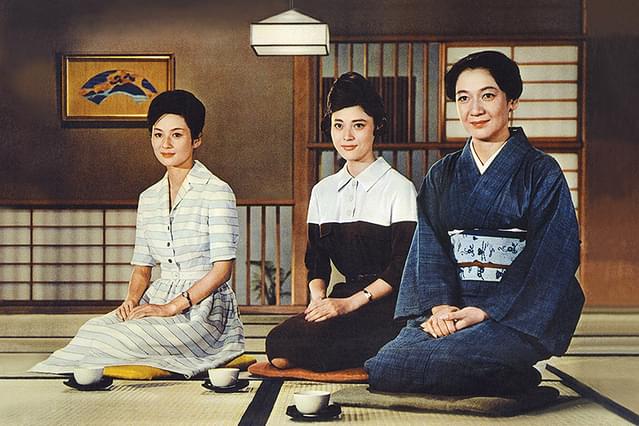
An Autumn Afternoon — 秋刀魚の味 (1962)
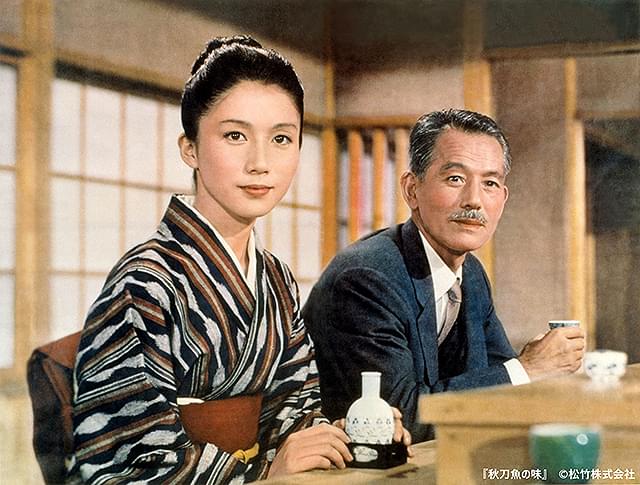
Ozu’s final film is gentle, sad, and ends with the line, “Alone, huh?” An aging father (Chishu Ryu, as ever) must accept that his daughter will leave him to start her own life. Barrooms, golf ranges, and a wedding ceremony that takes place offscreen all form a quiet epilogue to a decades-long career.
Stranger
Please be sure to check with the theater before going.